France: Champagne & Beyond
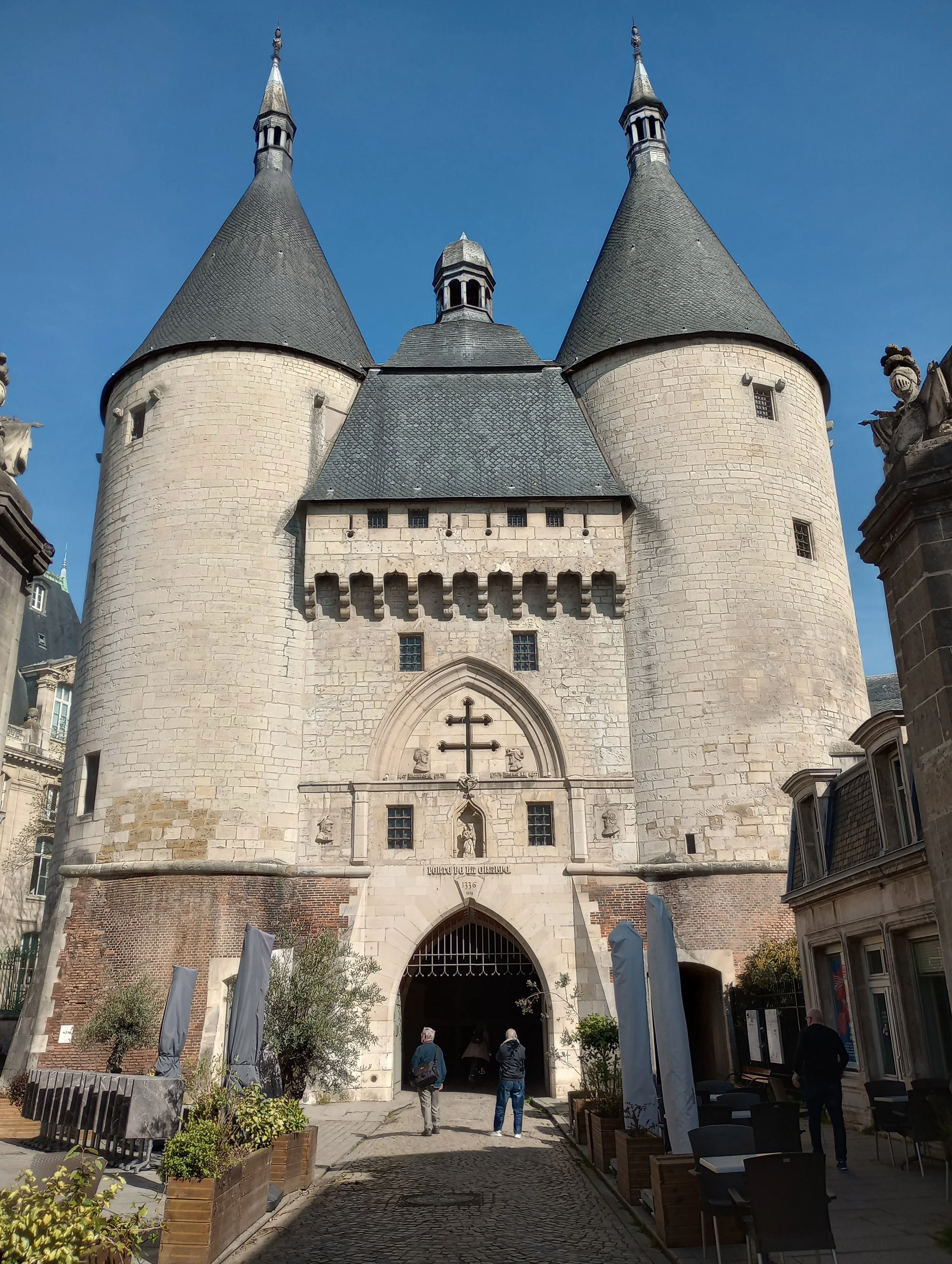
pass through arch on a square
We had 3 primary objectives to the final piece of our journey. The first was to visit my namesake, Nancy. This was once the capital of this Alsace Lorraine region. After that it was a relatively short jaunt to Epernay which is the home of champagne. Our final destination is Dieppe on the west coast of France where we would abandon the train and take a ferry across the English Channel to the southeast coast of England to Newhaven.
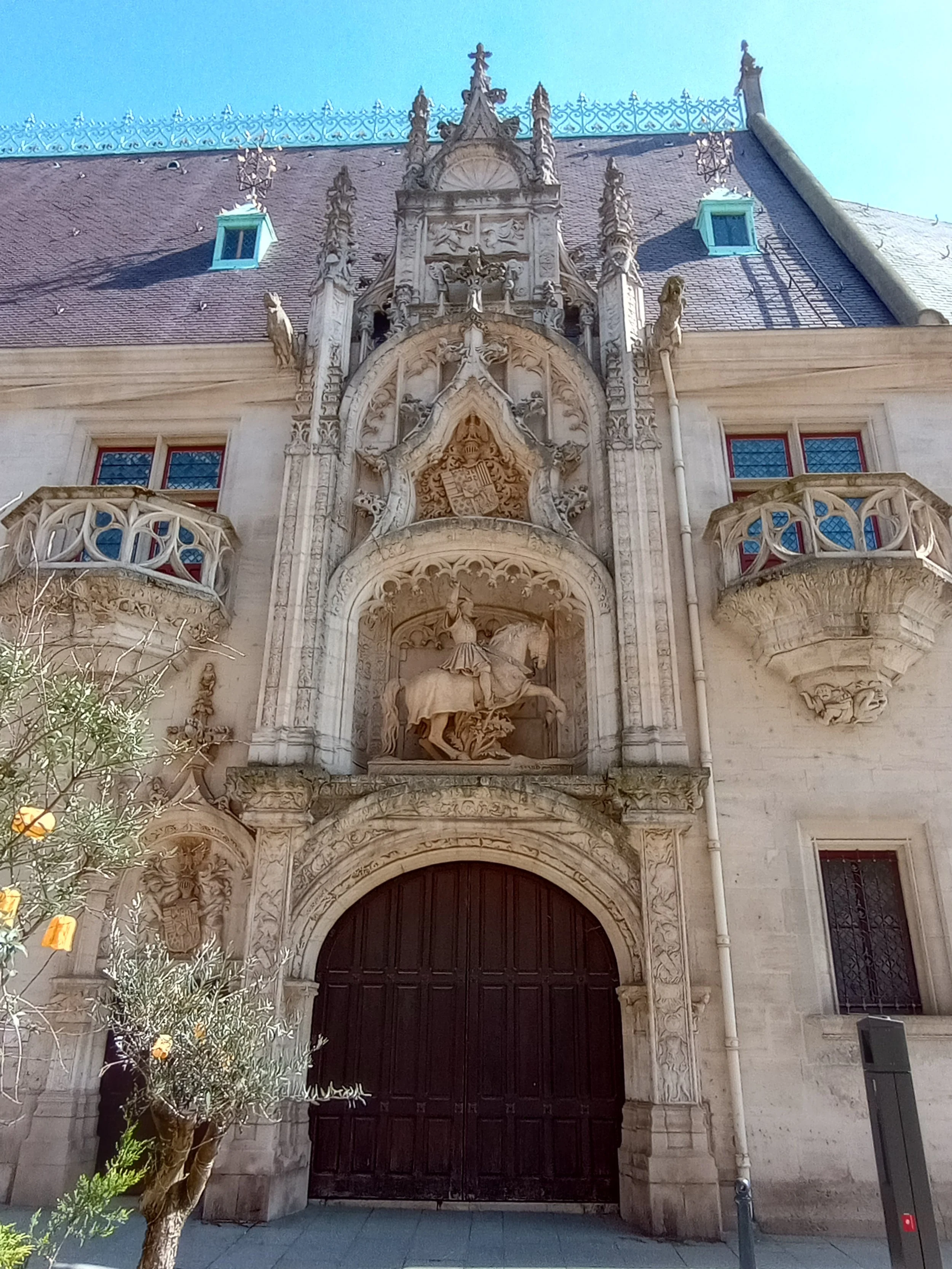
Like most of France, you know you are there because of the typical beige stone with charcoal/black roofs. I’ve take a few photos of the interesting sights in the old town of Nancy.
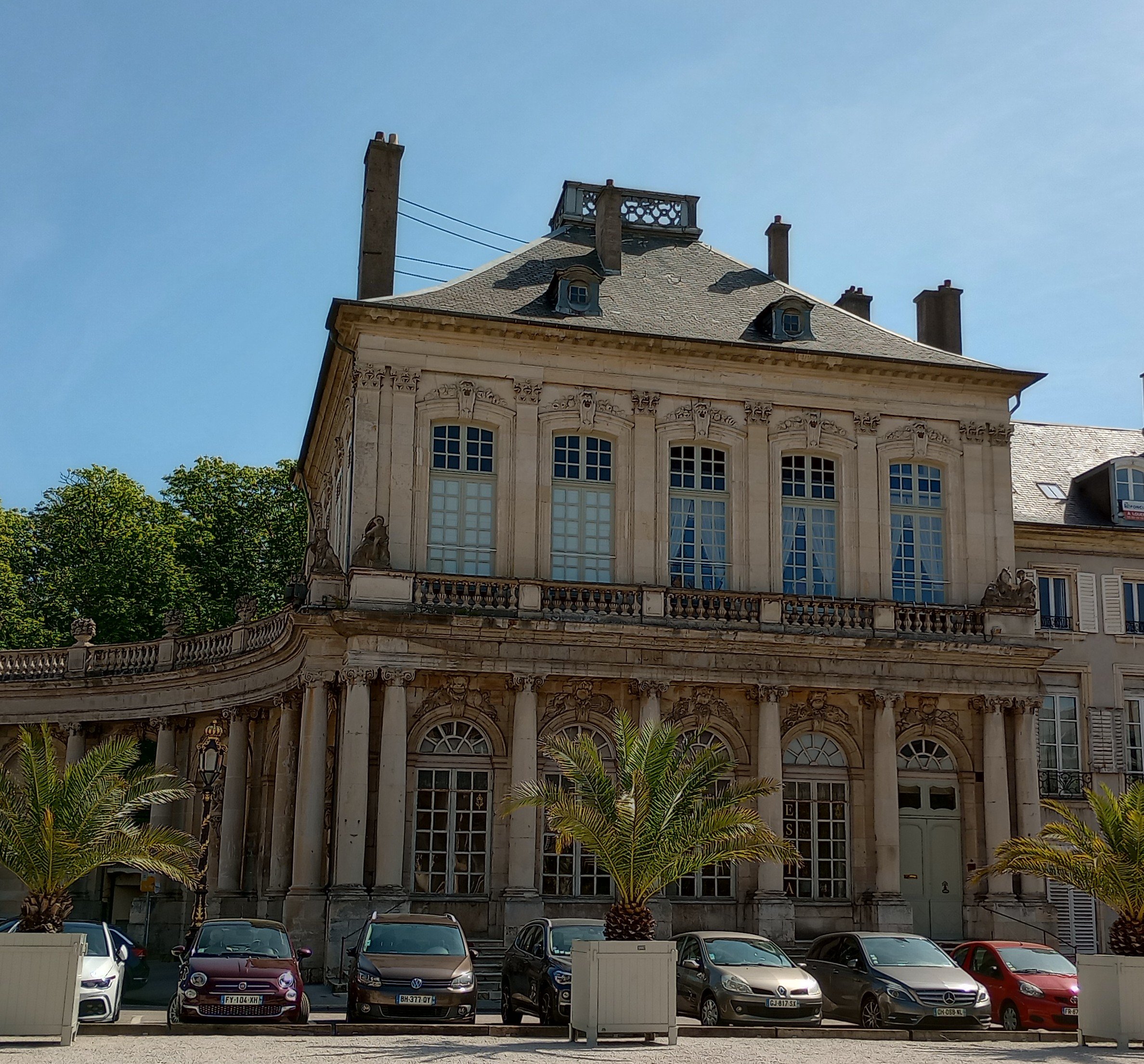
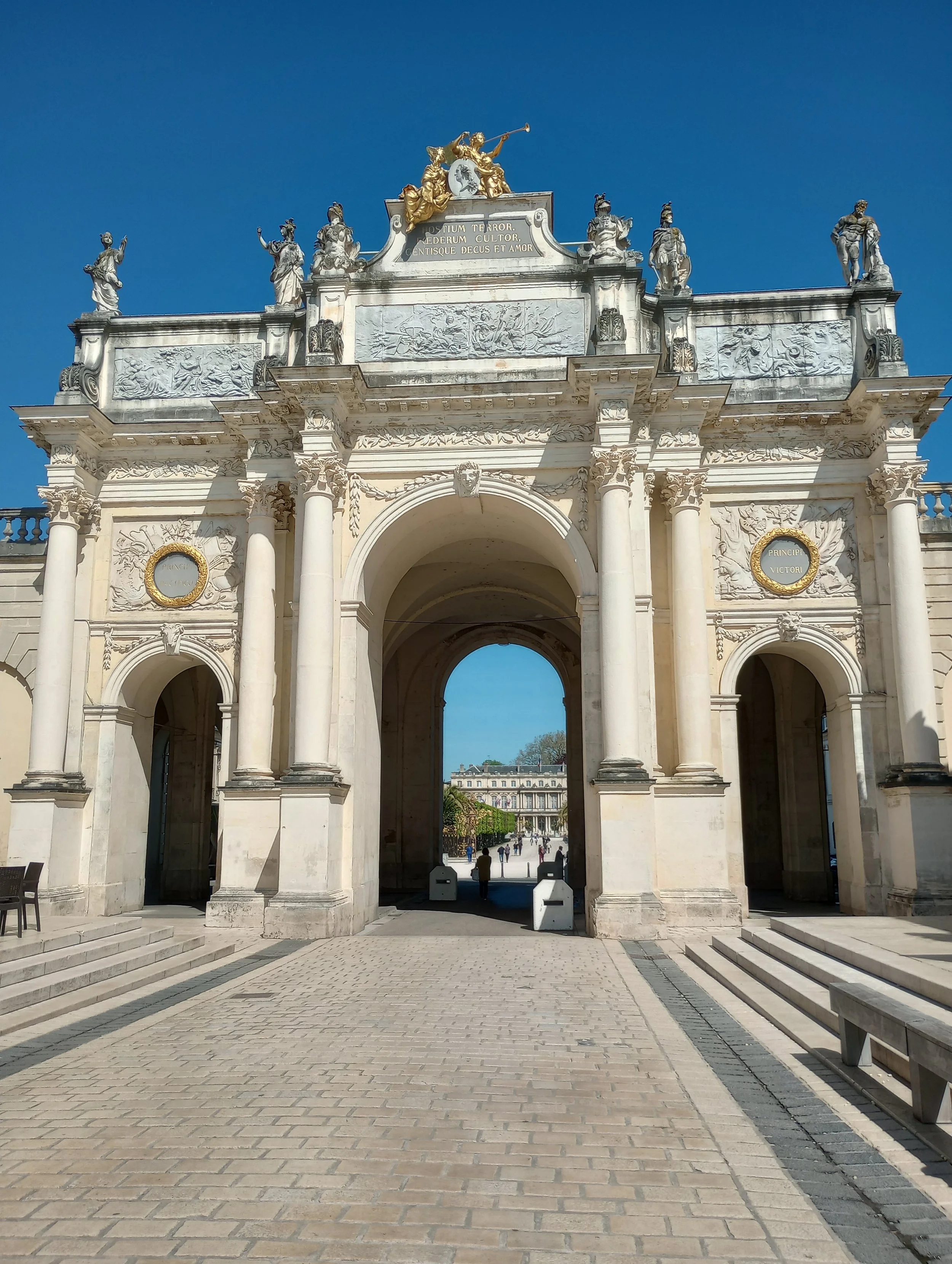
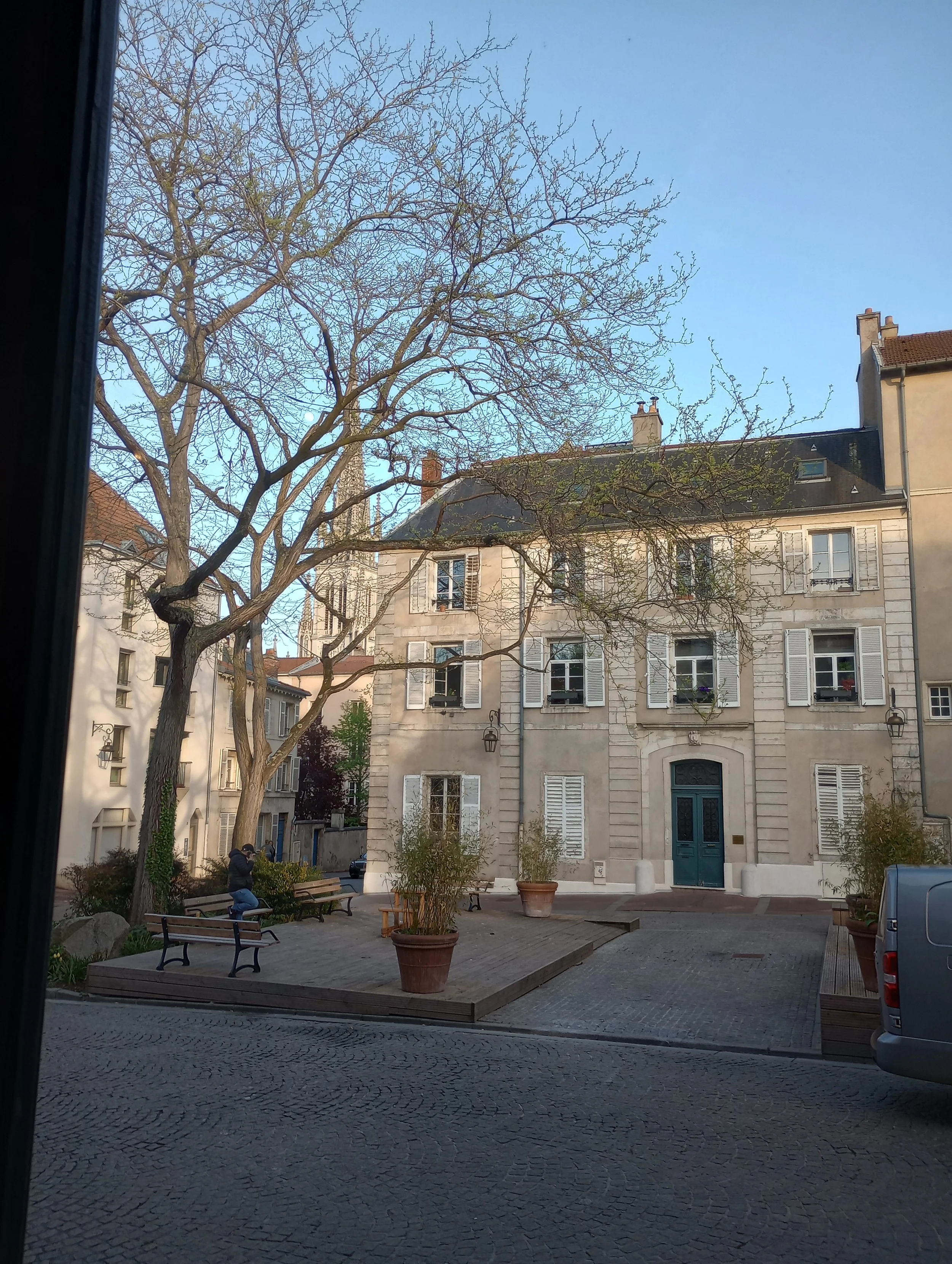
Square outside our restaurant
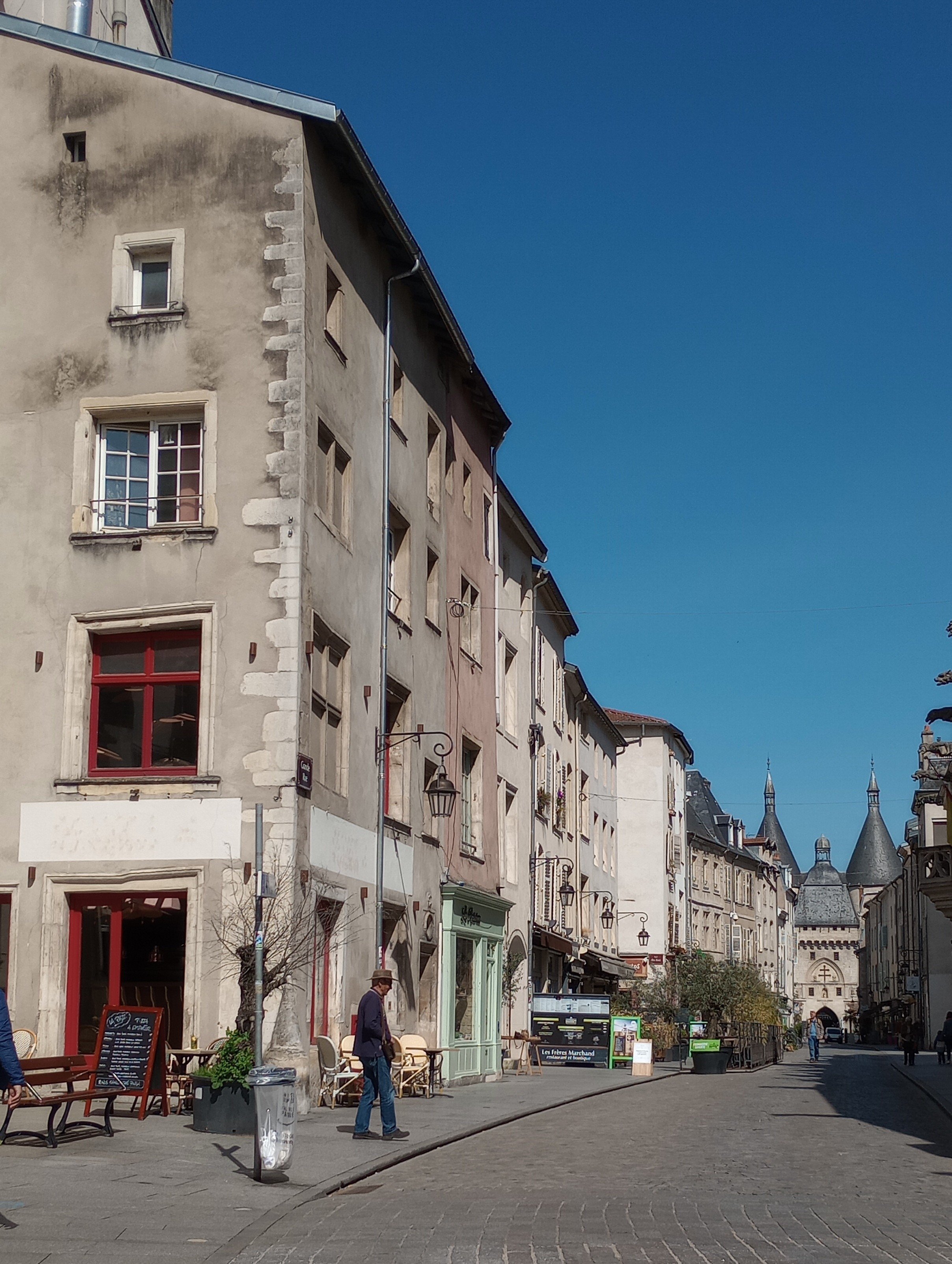
Street scene near our hotel
As Nancy used to be a regional capital, there are a few buildings that have a lot of gold on them. Here are a few.
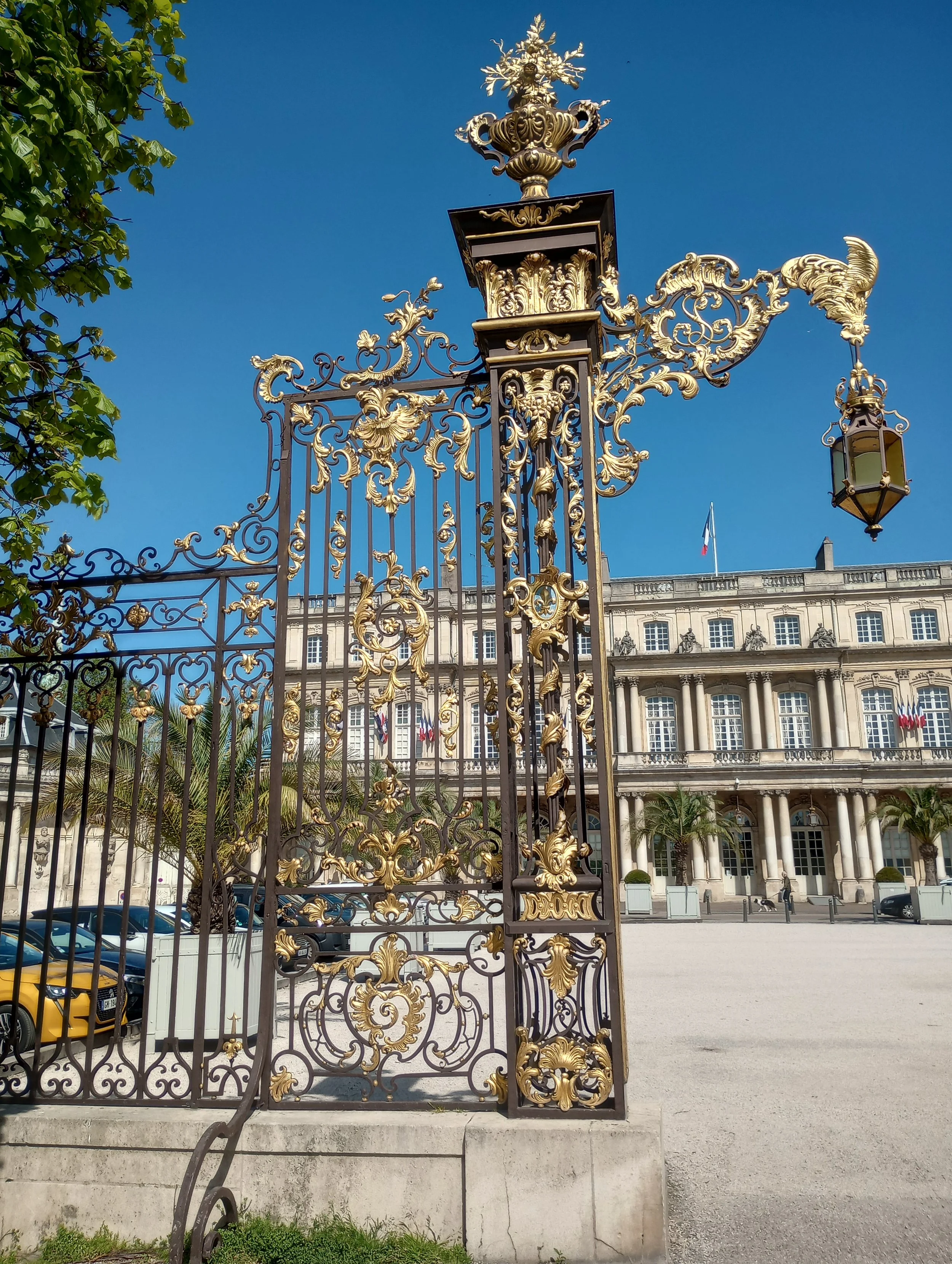
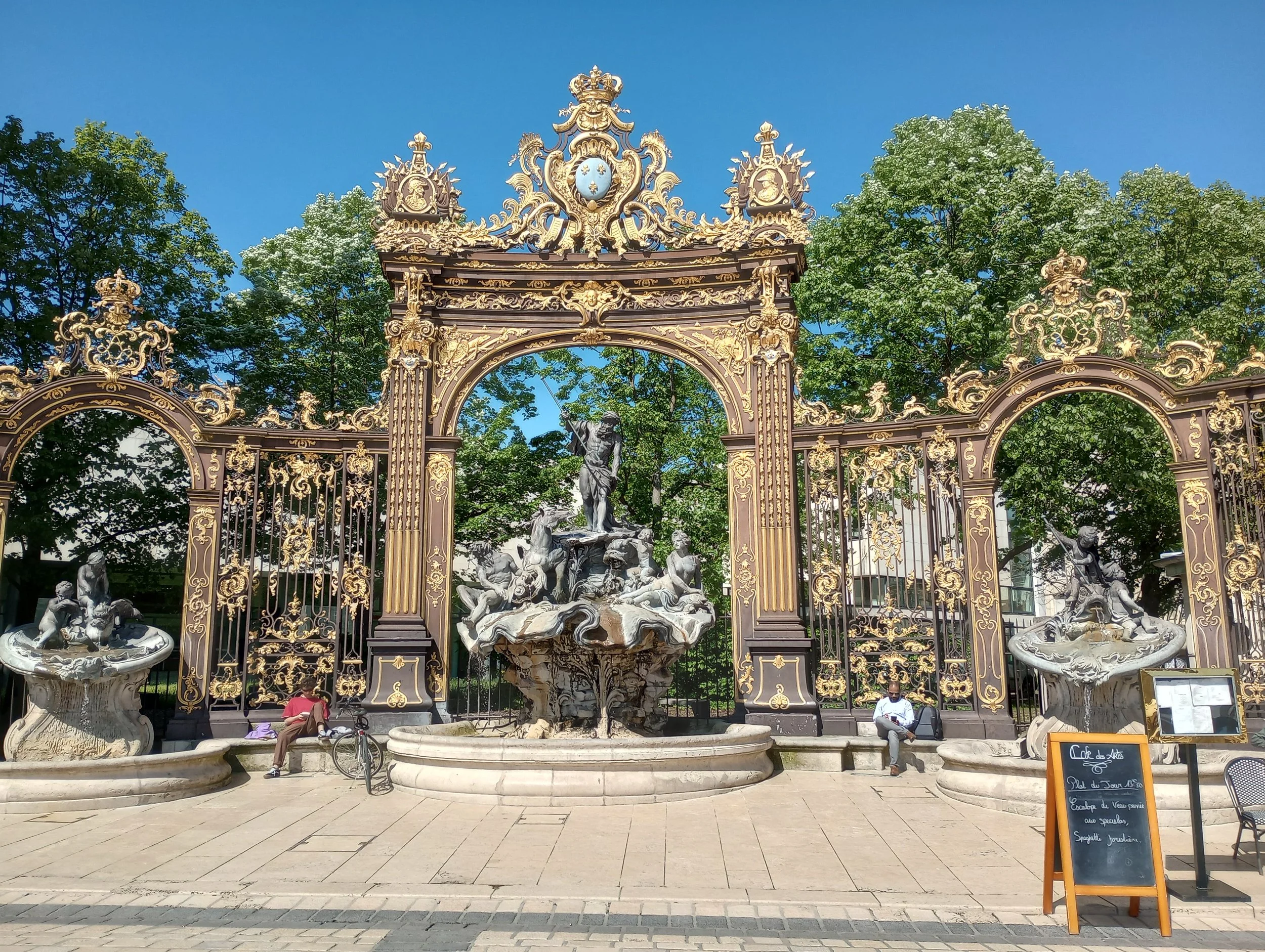
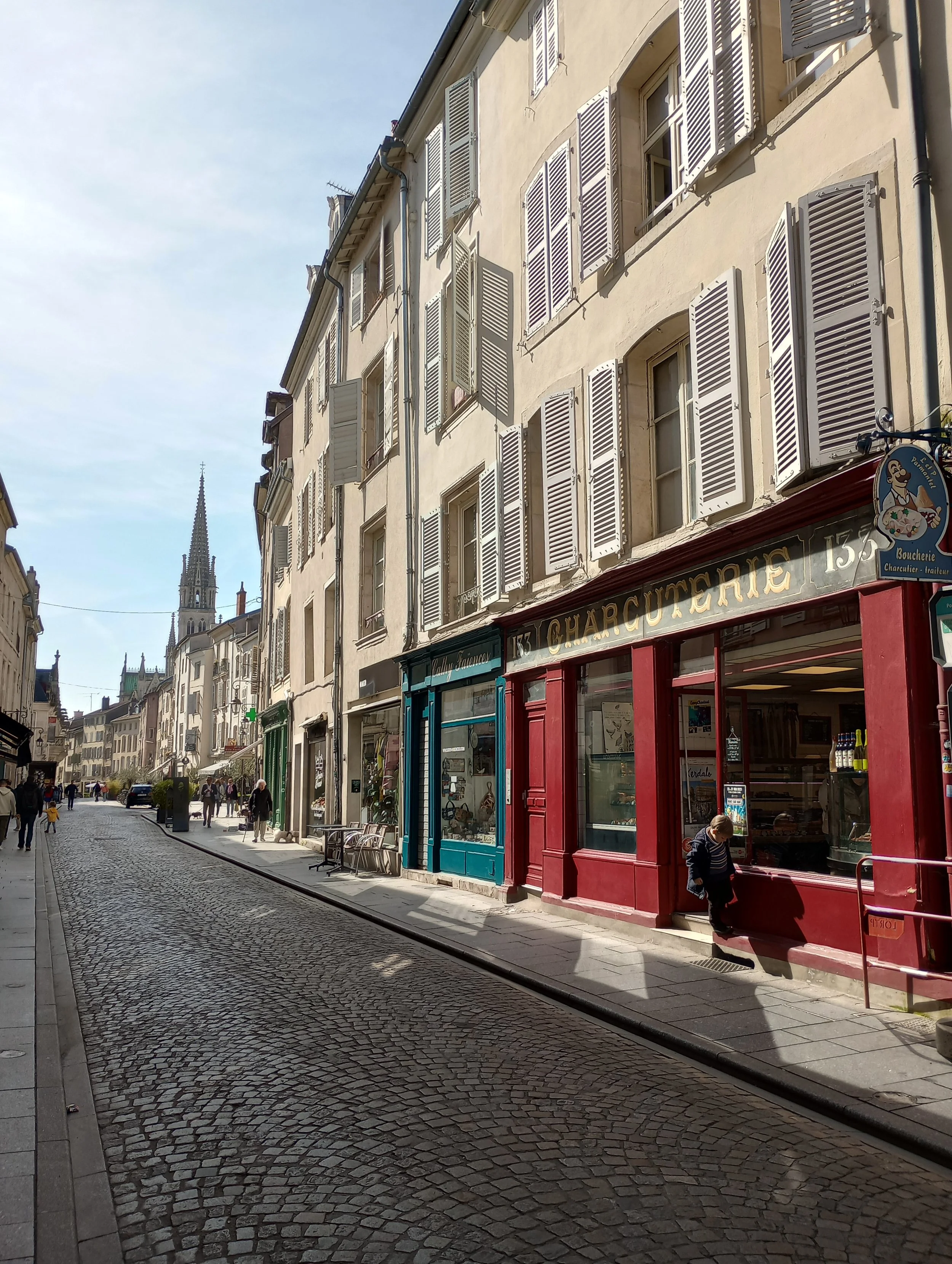
Another street scene
A final few photos our Nancy experience…
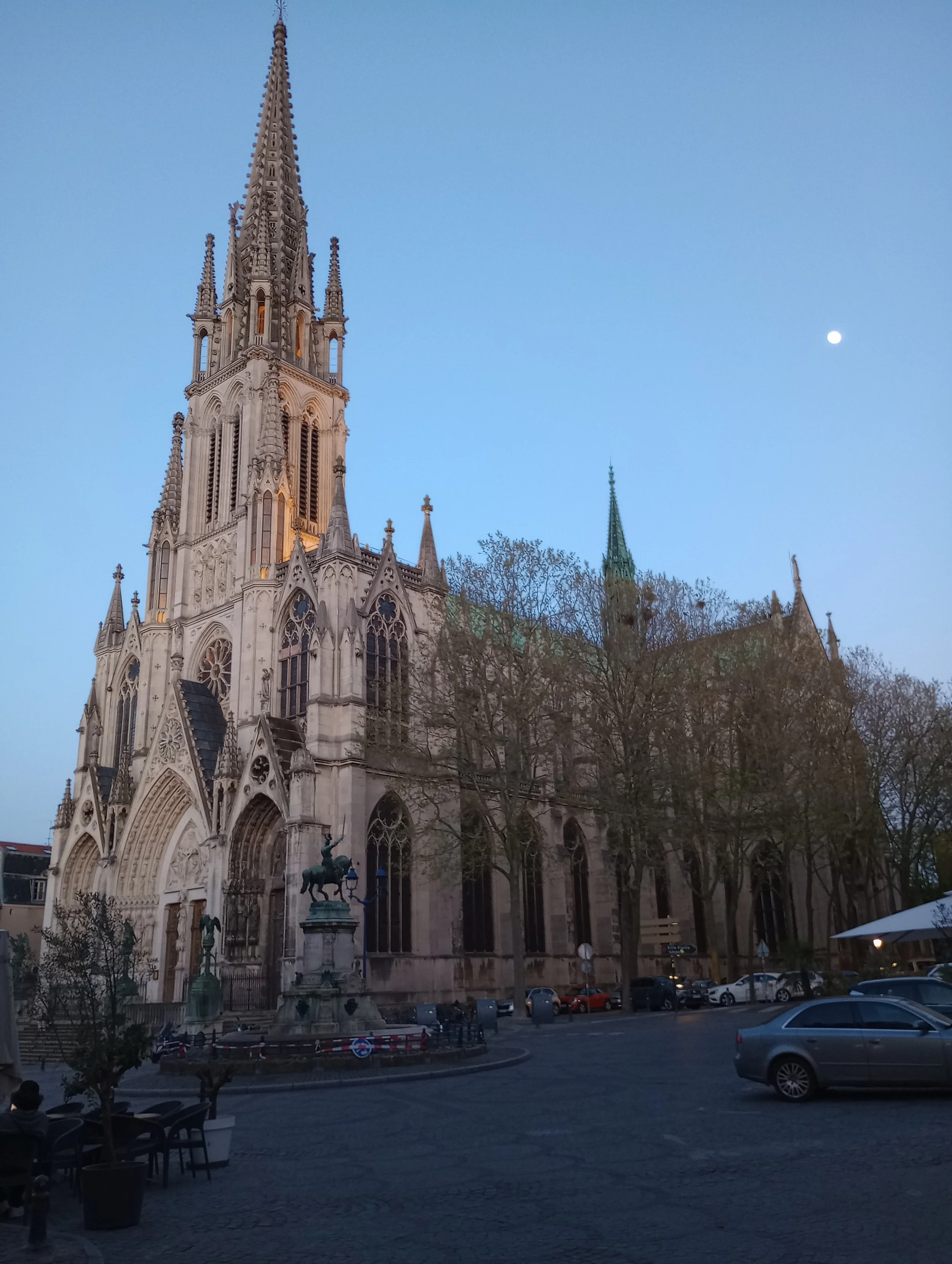
A church near our hotel at dusk with a full moon.
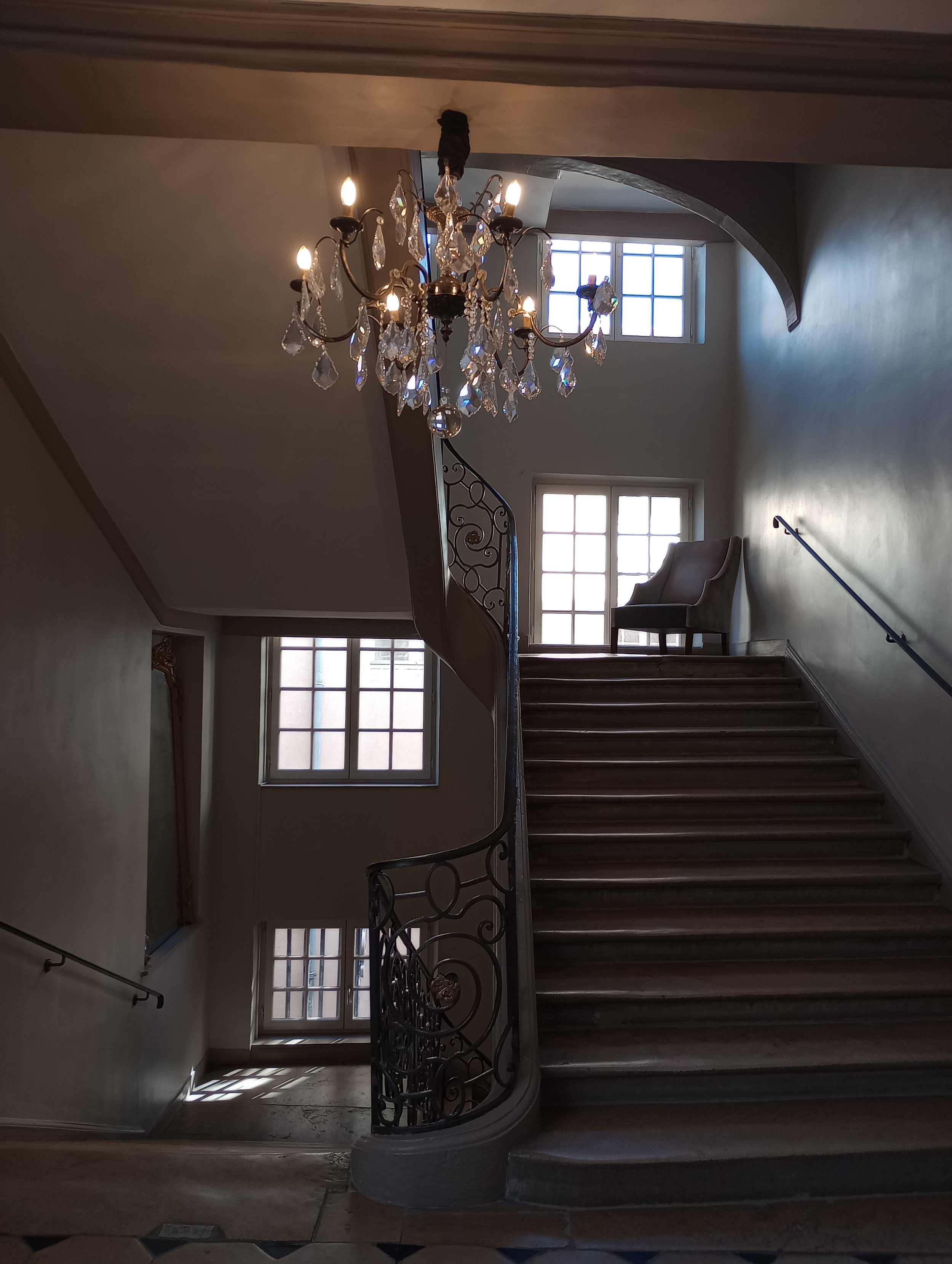
Staircase at our hotel. The hotel is 400 years old with well-worn, wide marble stairs with chandeliers.
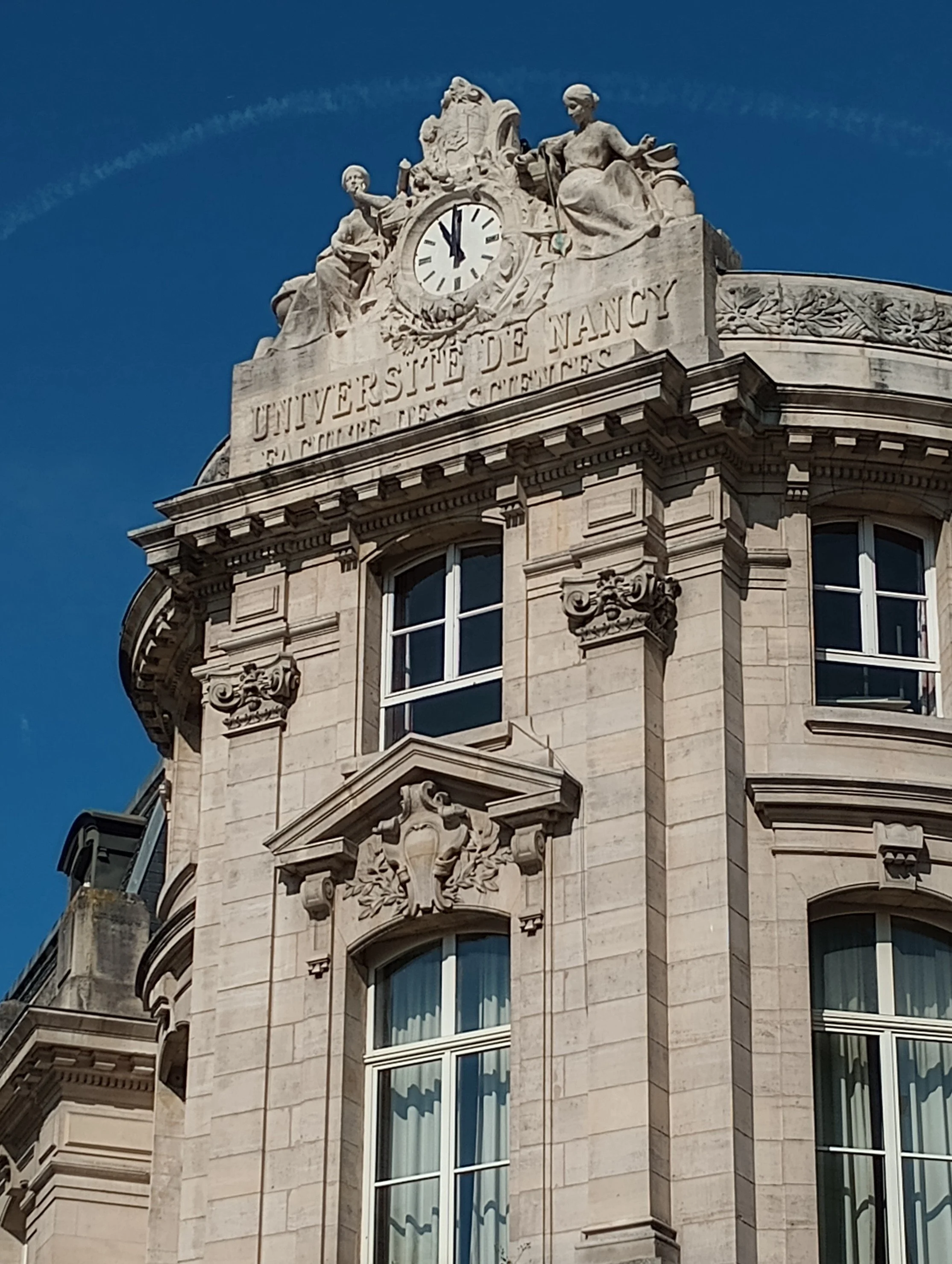
My university:)
We left Nancy for a further exploration of the region that produces Champagne. We planned to be based in Epernay which claims to be the home of champagne and travel to Reims which also claims to be the home of champagne. Unfortunately, due to Barry falling ill (caught a cold from me) and the constant rain here. We wound up staying only in Epernay.
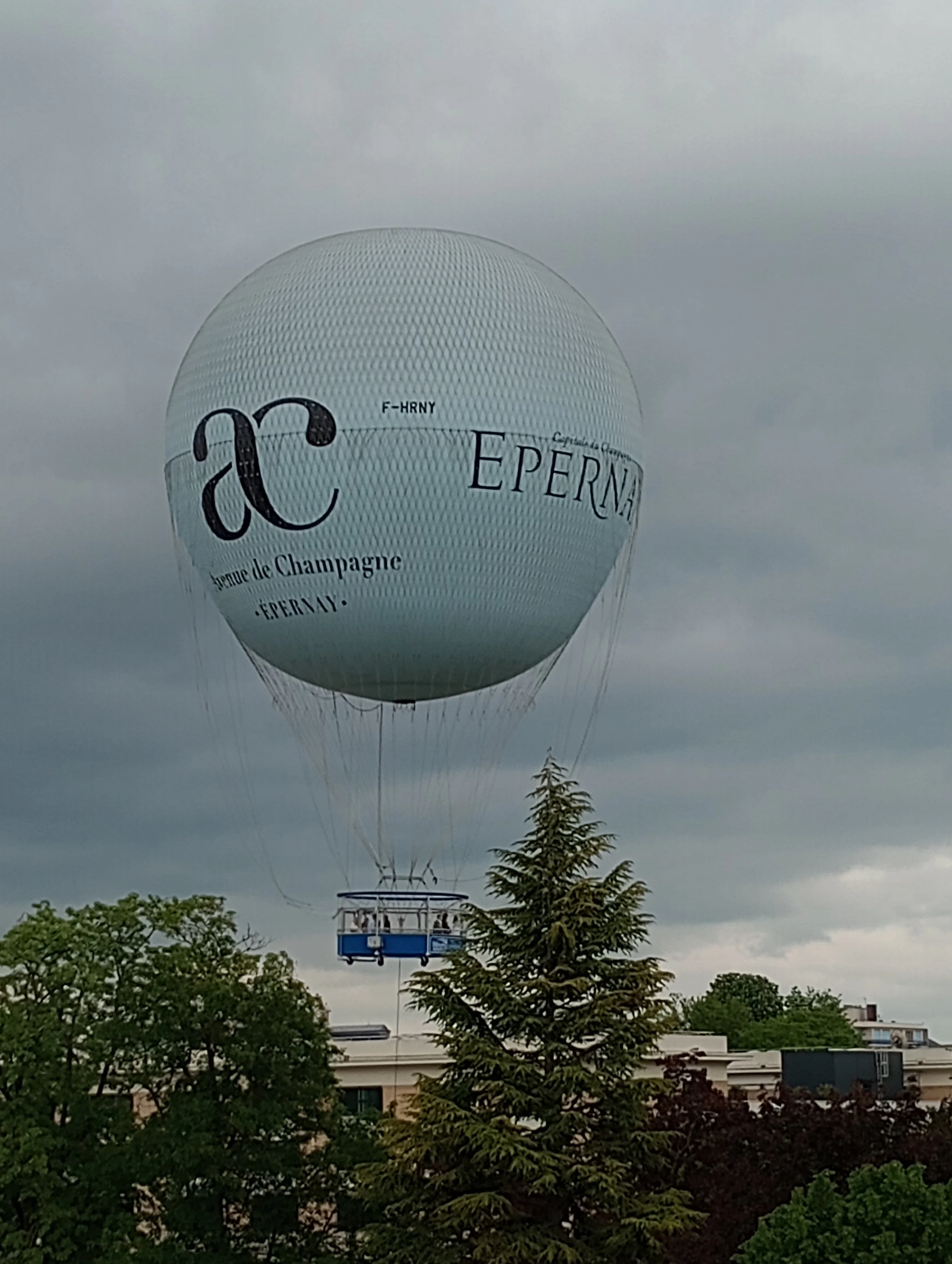
A balloon ride when the weather permits. As you can see, it says Epernay is the capital of champagne.
This town is famous for its Avenue de Champagne which is a street where all the local champagne “houses” have their headquarters. The street was designated an UNESCO World Heritage Site because of this. The largest producer here is Moet & Chandon. It is huge and covers several blocks. We inquired about a tour and they said they are booked out at least 3 months. Never fear, there were several smaller houses that are lesser known to tour. There are over 300 champage houses in Epernay!
Here are the highlights from the tour we chose.
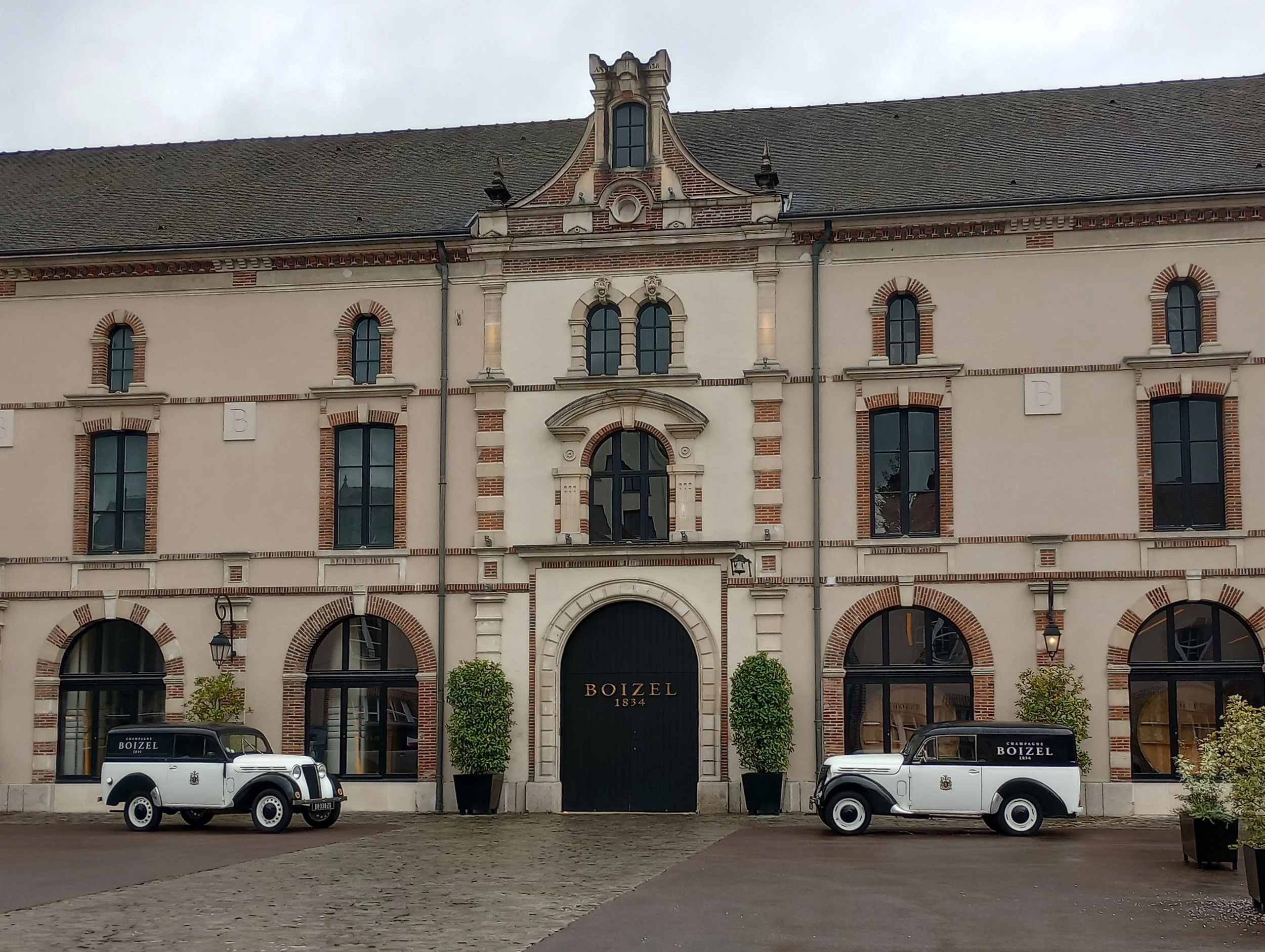
Boizel where we chose to tour and taste. These vehicles used to be used for delivering their champagne but are now just for show. The house was established in 1834 but the vehicles are from 1930 and 1950 (which one is which is anyone guess).
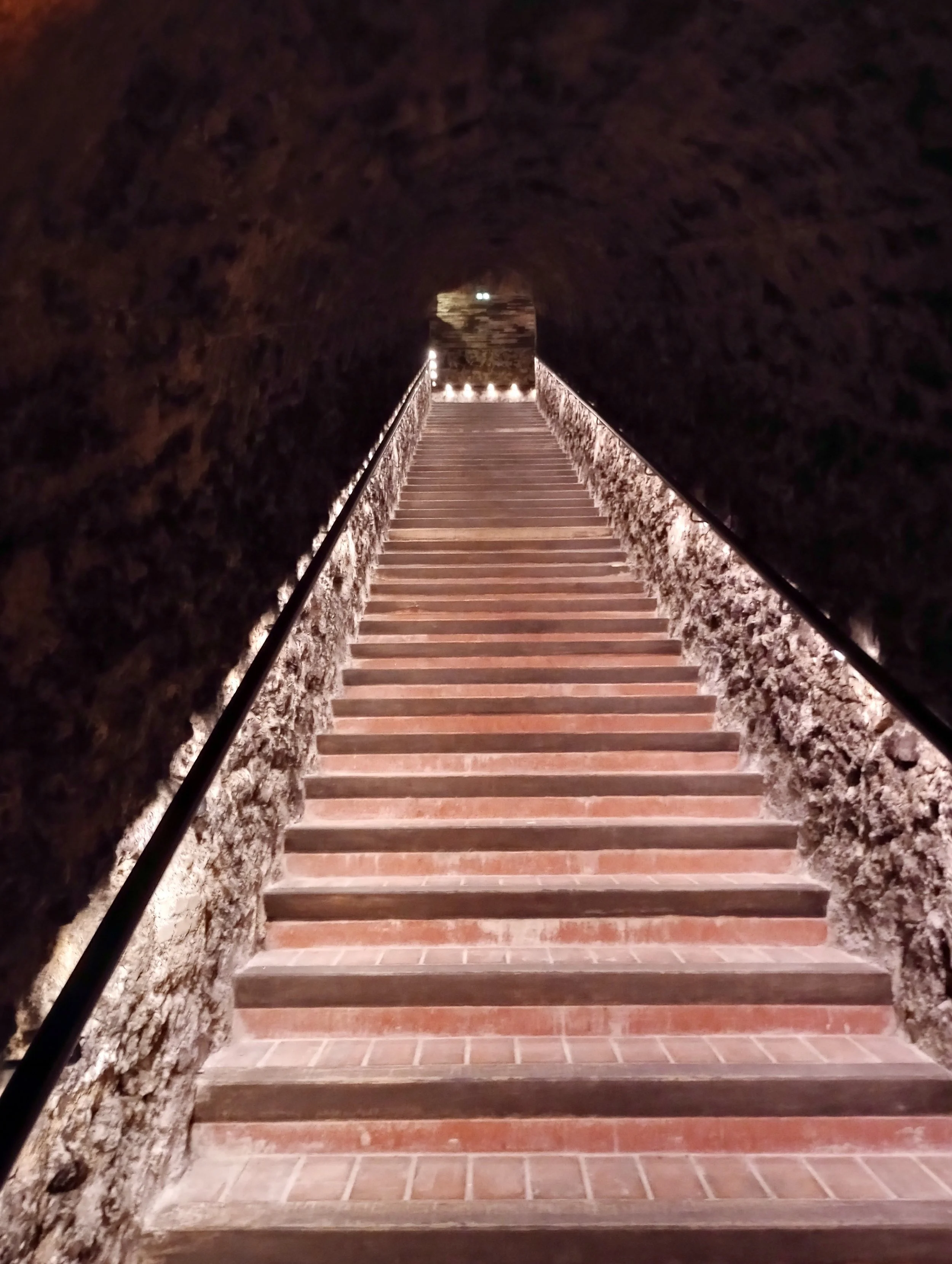
Stairs heading down 35 feet underground to the caves.
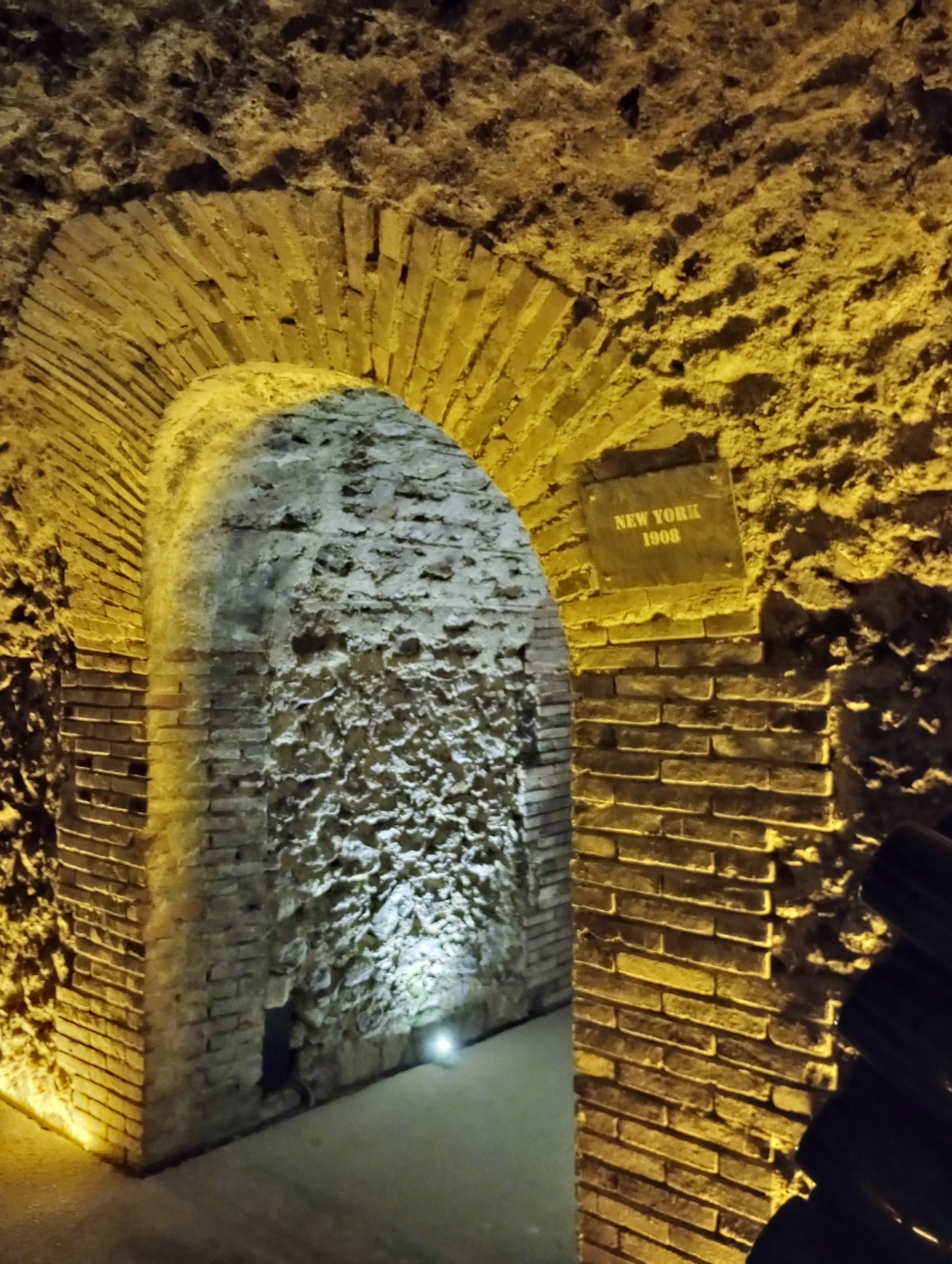
Cave walls originally dug out by Romans in the first century for mining chalk and were then eventually used by the champagne producers. The junctions have plaques on the walls that were used for the world exhibitions. This one was from NY in 1908.
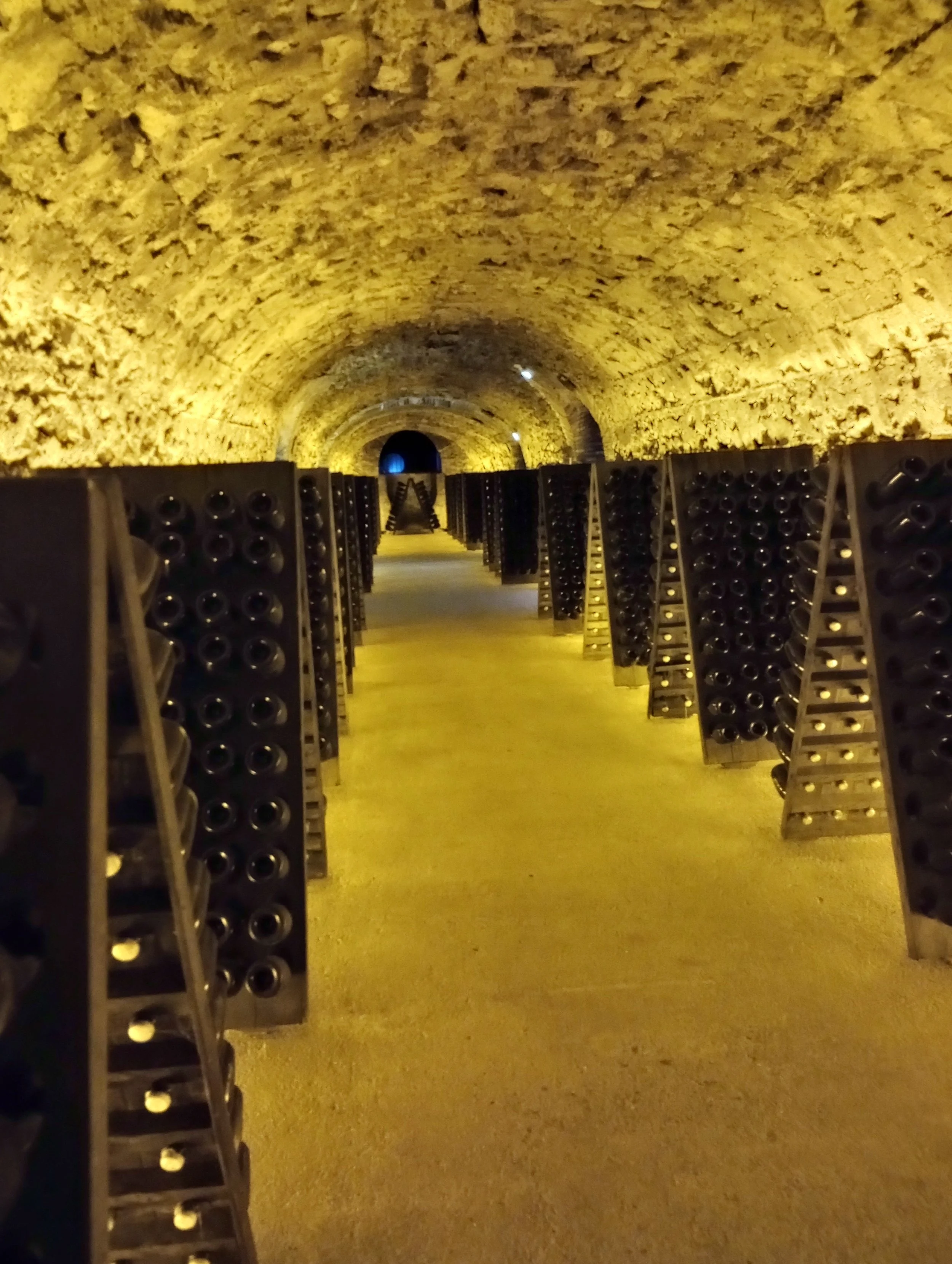
Champagne waiting to be ready. There were many halls like this.
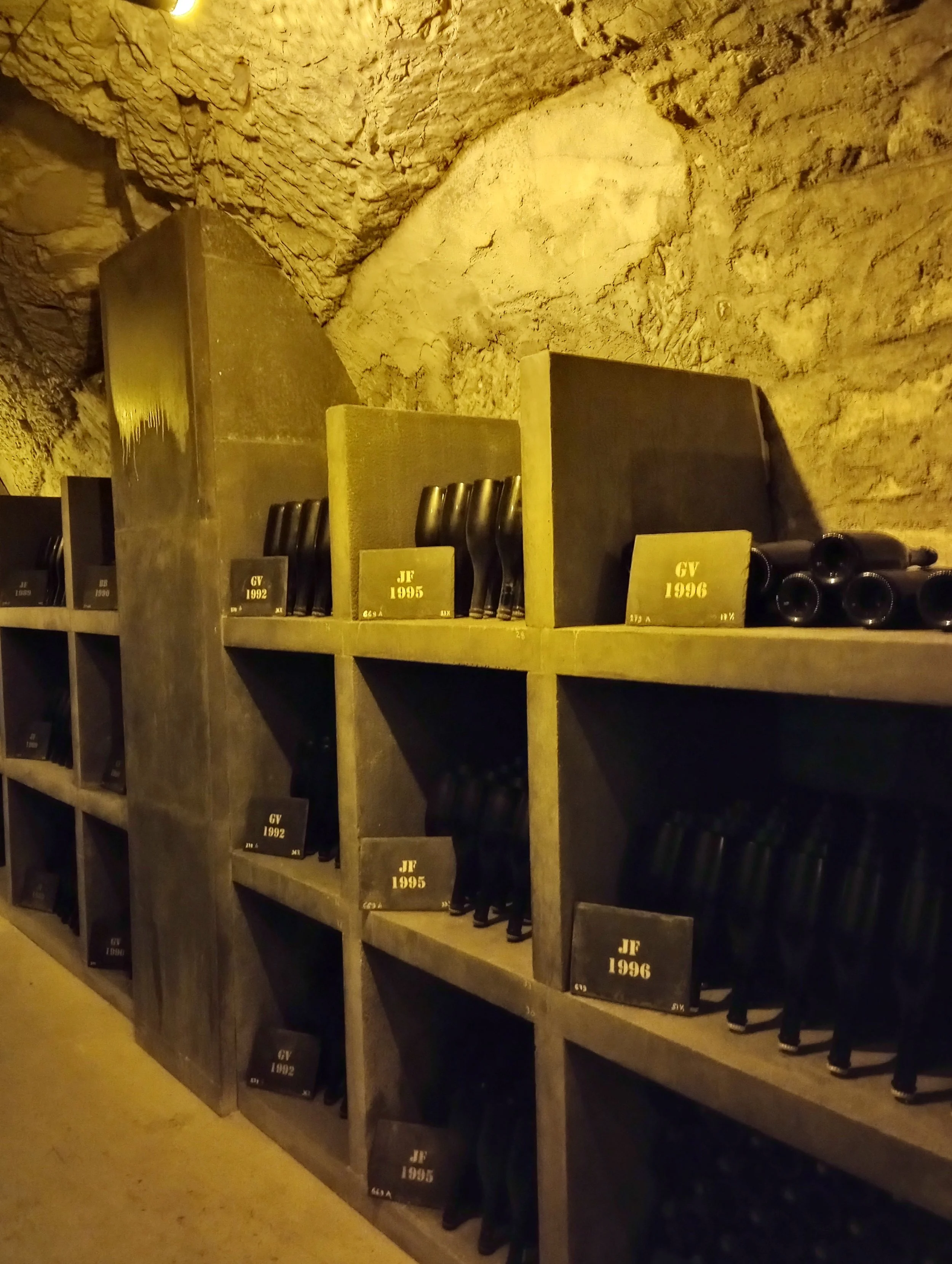
Champagne library. They keep some bottles from every year in the library. One of the things we learned about champagne is that it is released for sale when it is ready. Vintage bottles (meaning they come from a very good year) can be kept 3 years from when you purchase and non-vintage can last for up to 5 years. Champagne is not something you keep to drink years later. It doesn’t age well.
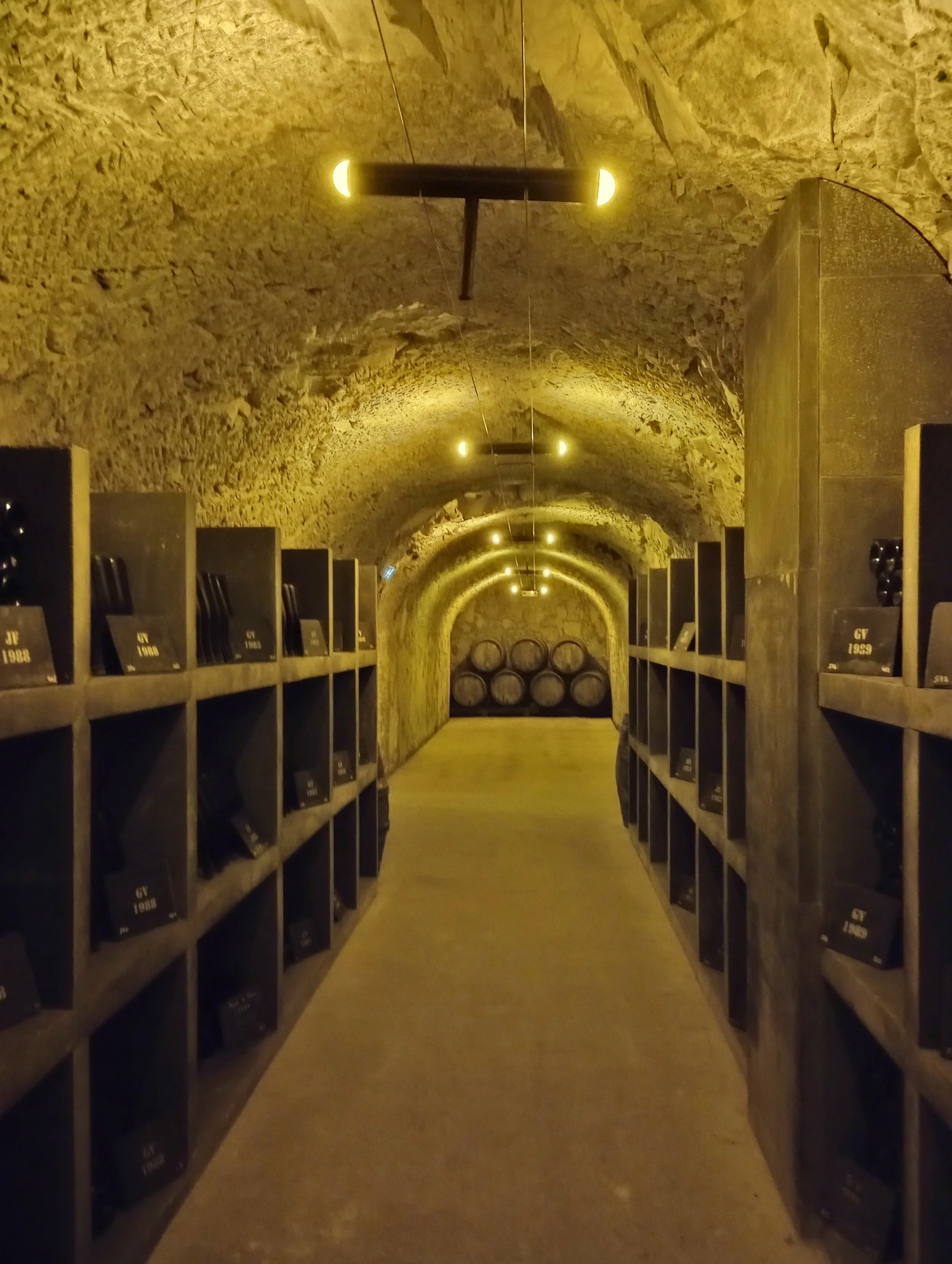
another library view
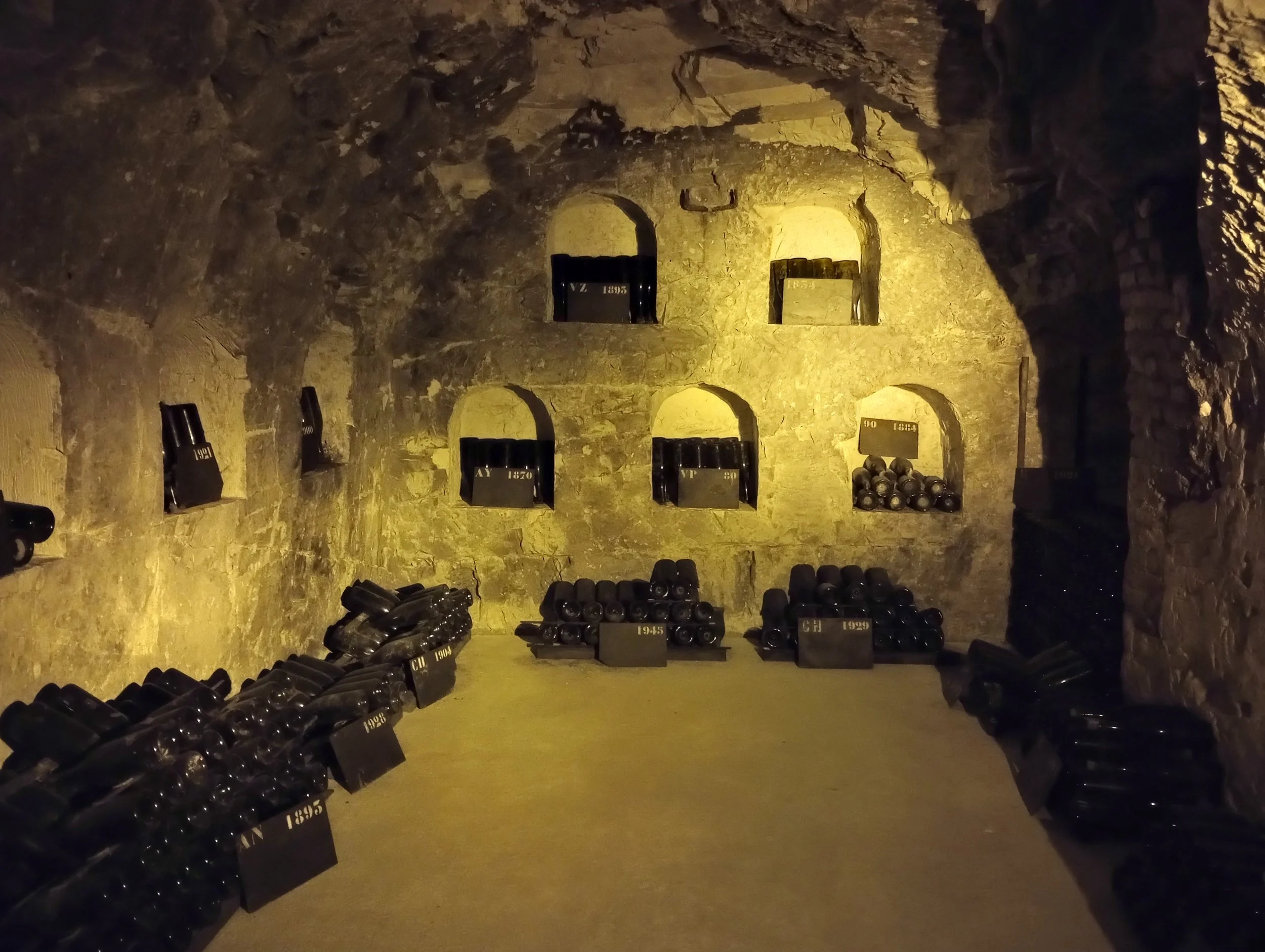
This is a special room and we had to take photos through iron barred gates. This is their special library with vintages from 1840 to 1945.
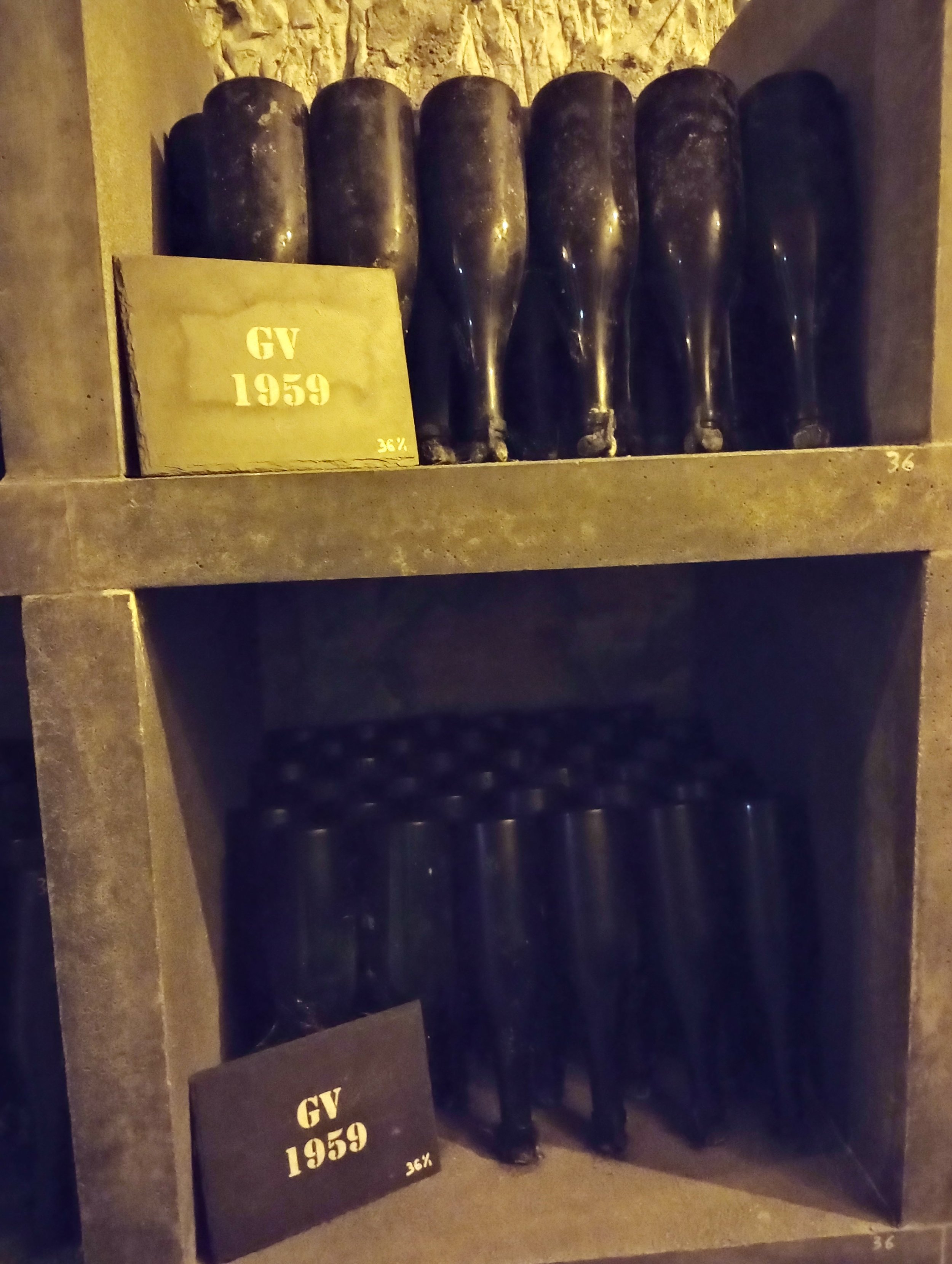
A very good year for me!
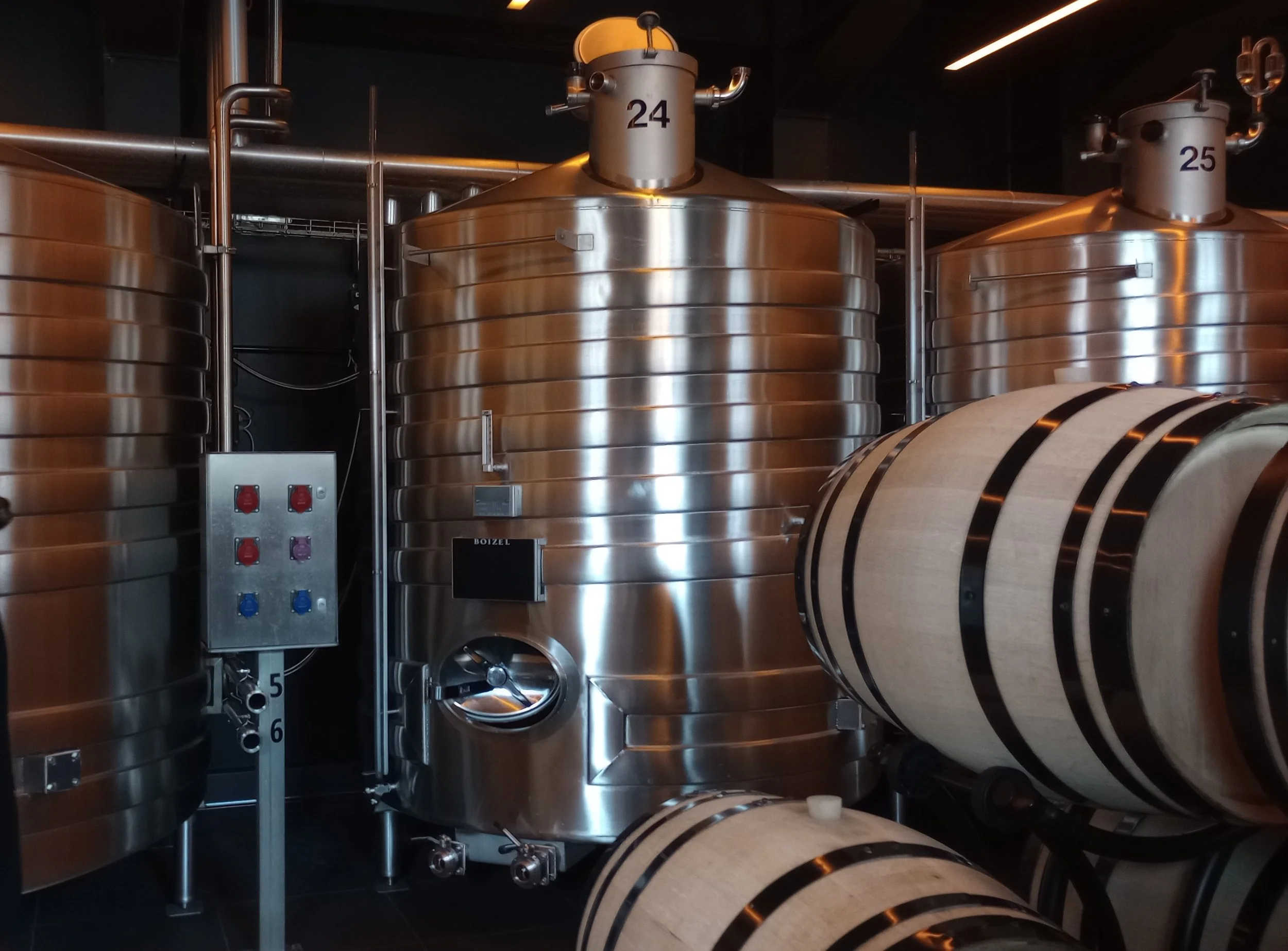
A glimpse of the above-ground fermentation room. Both steel and oak casks are used. The other room had steel casks that were 15 feet high but it was dark and I hadn’t figured out how to use the night vision on my phone (I did for the cave sequence). Each of the tall ones can produce 50,000 bottles of champagne.
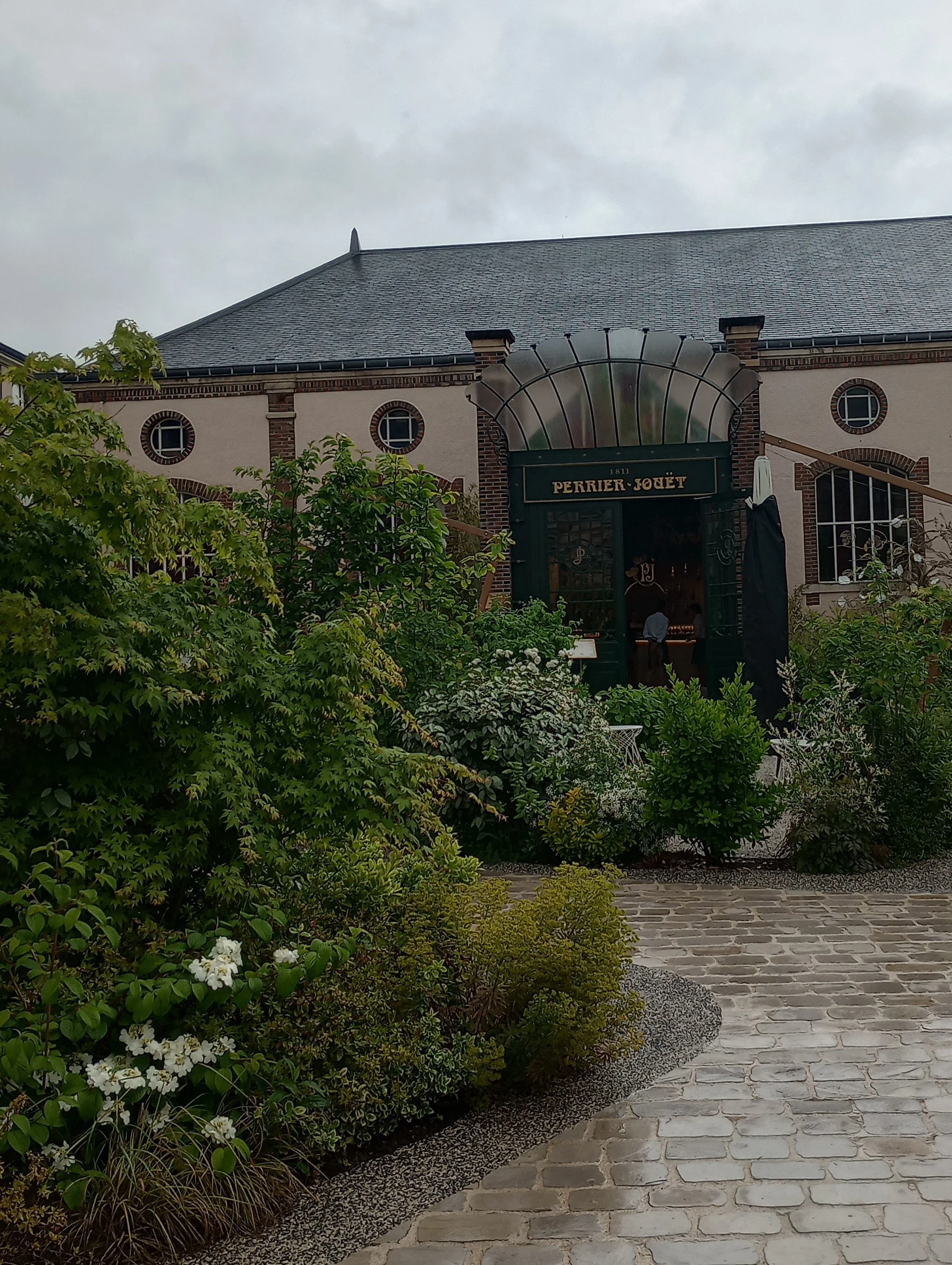
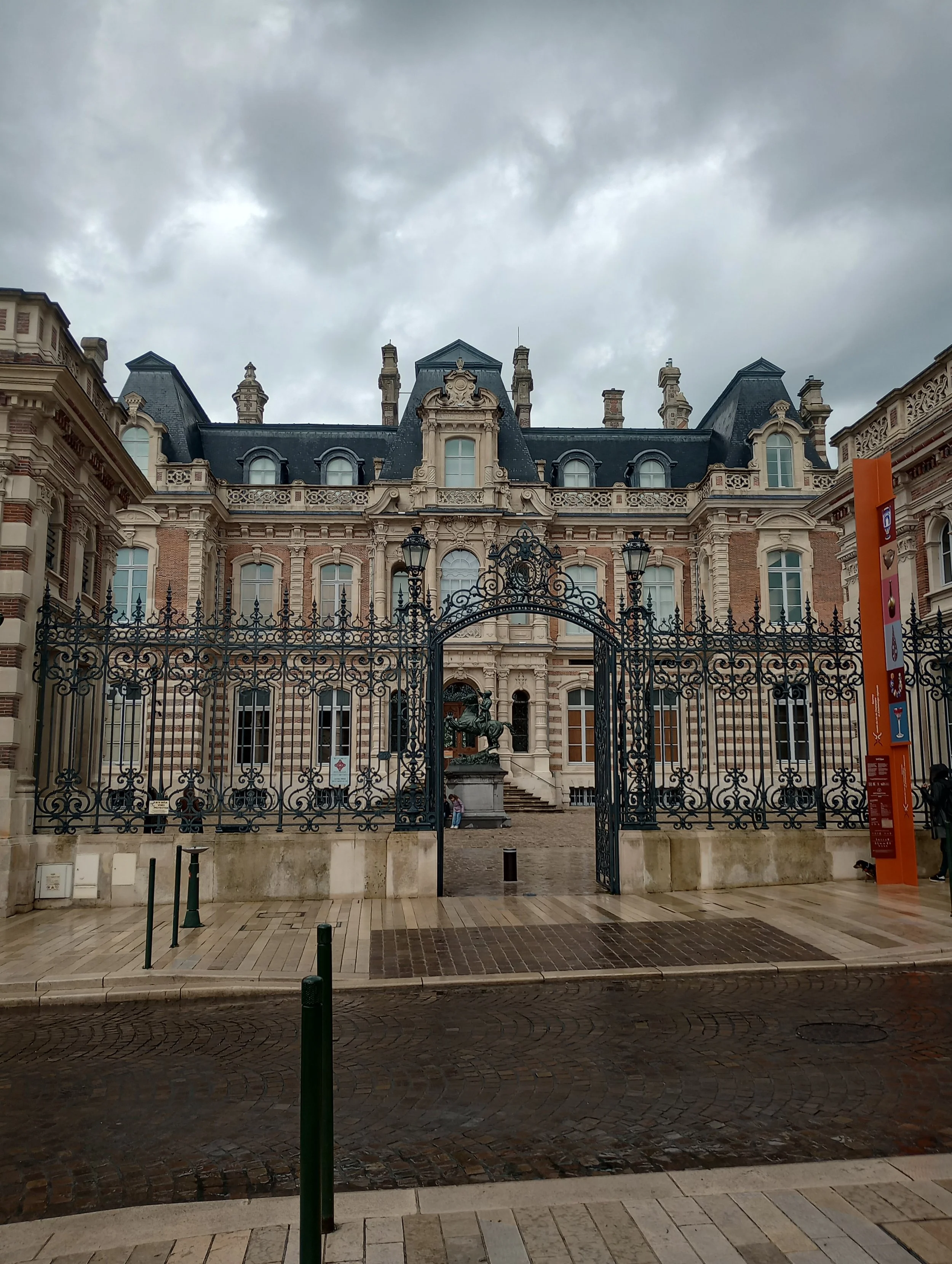
We then had a nice tasting of 2 champagnes at the end of the tour. Although the weather wasn’t cooperating, I managed to get a few photos of other champagne houses. The street really is amazing but a street view wasn’t possible.
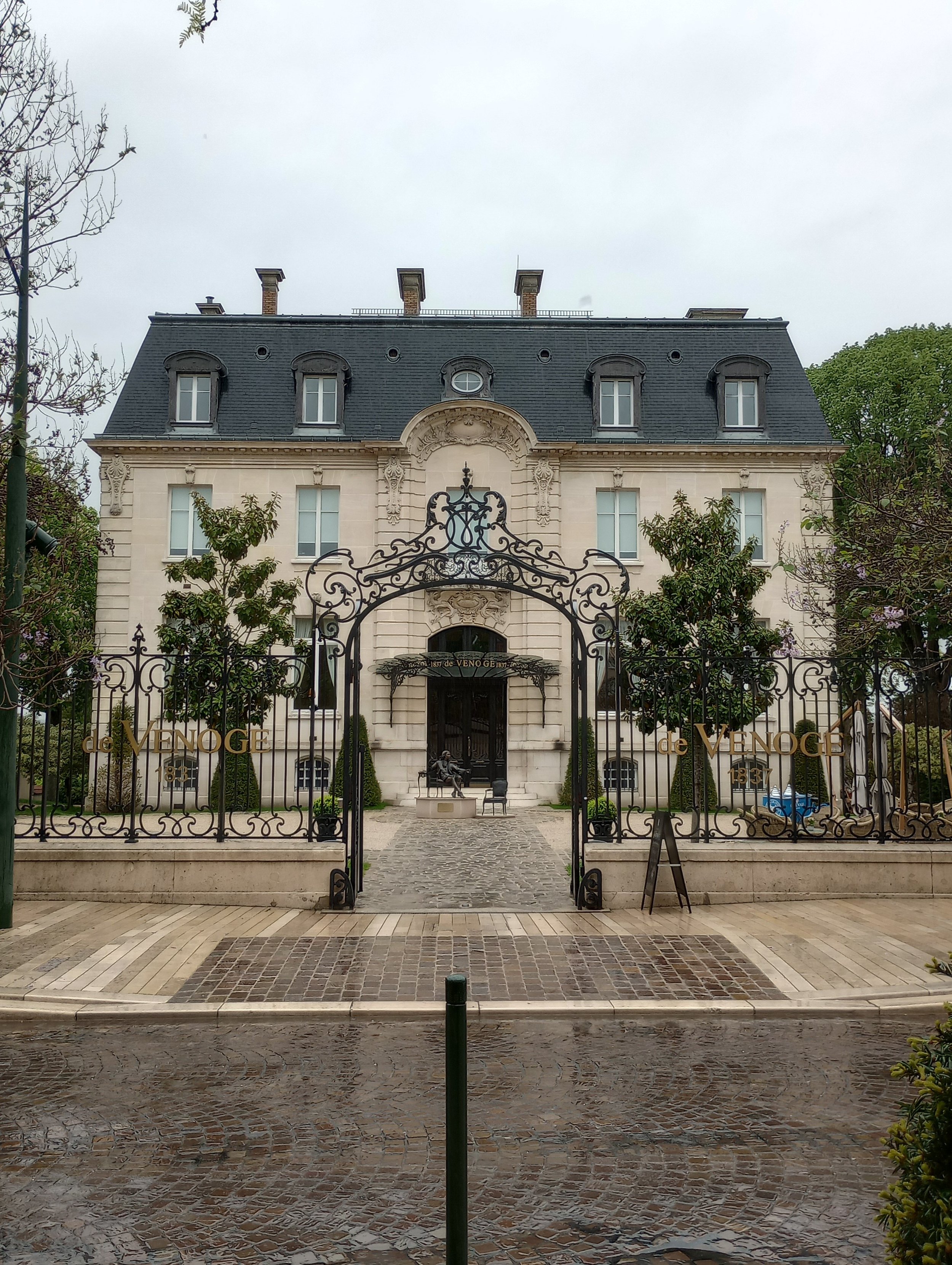
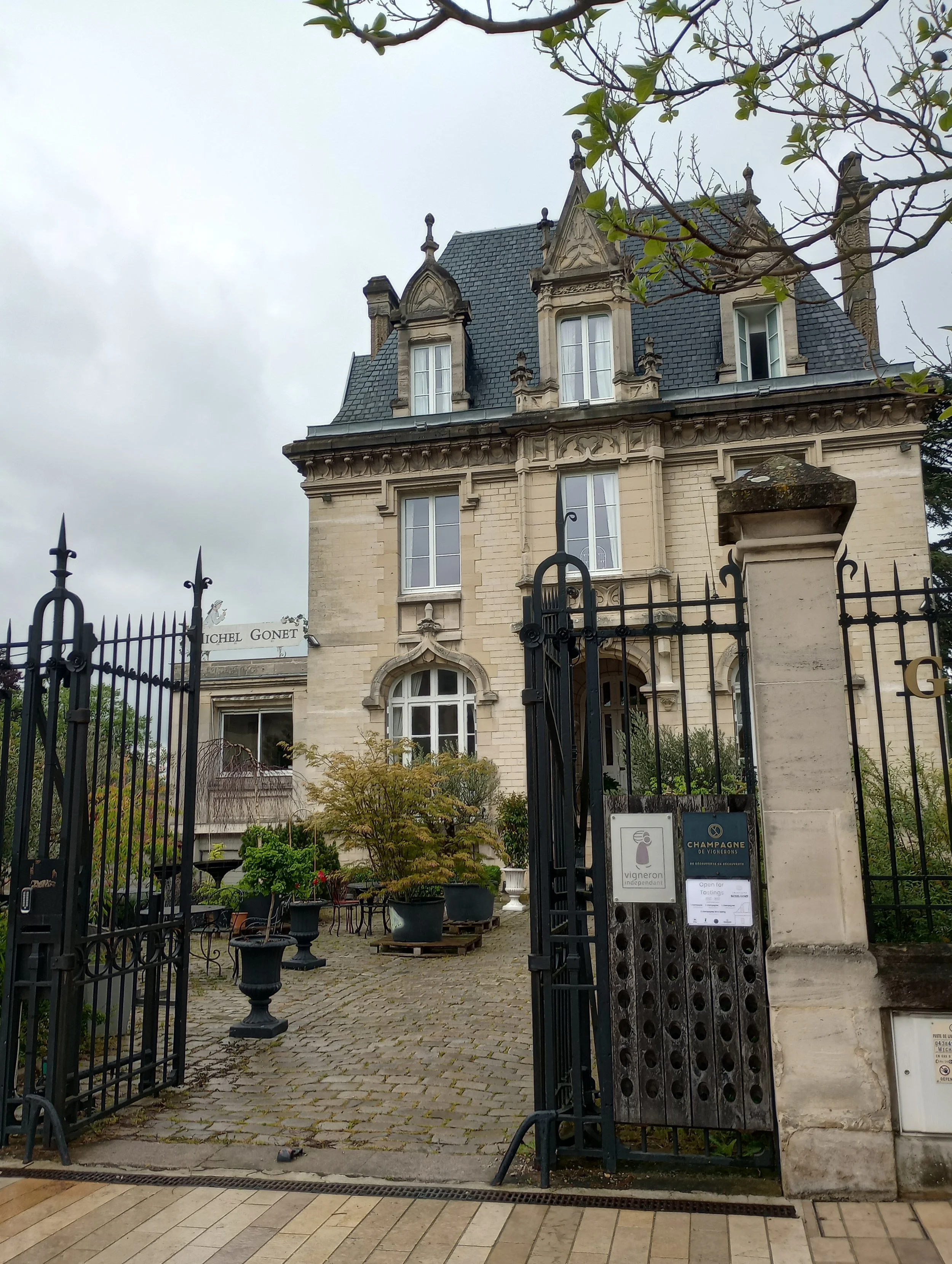
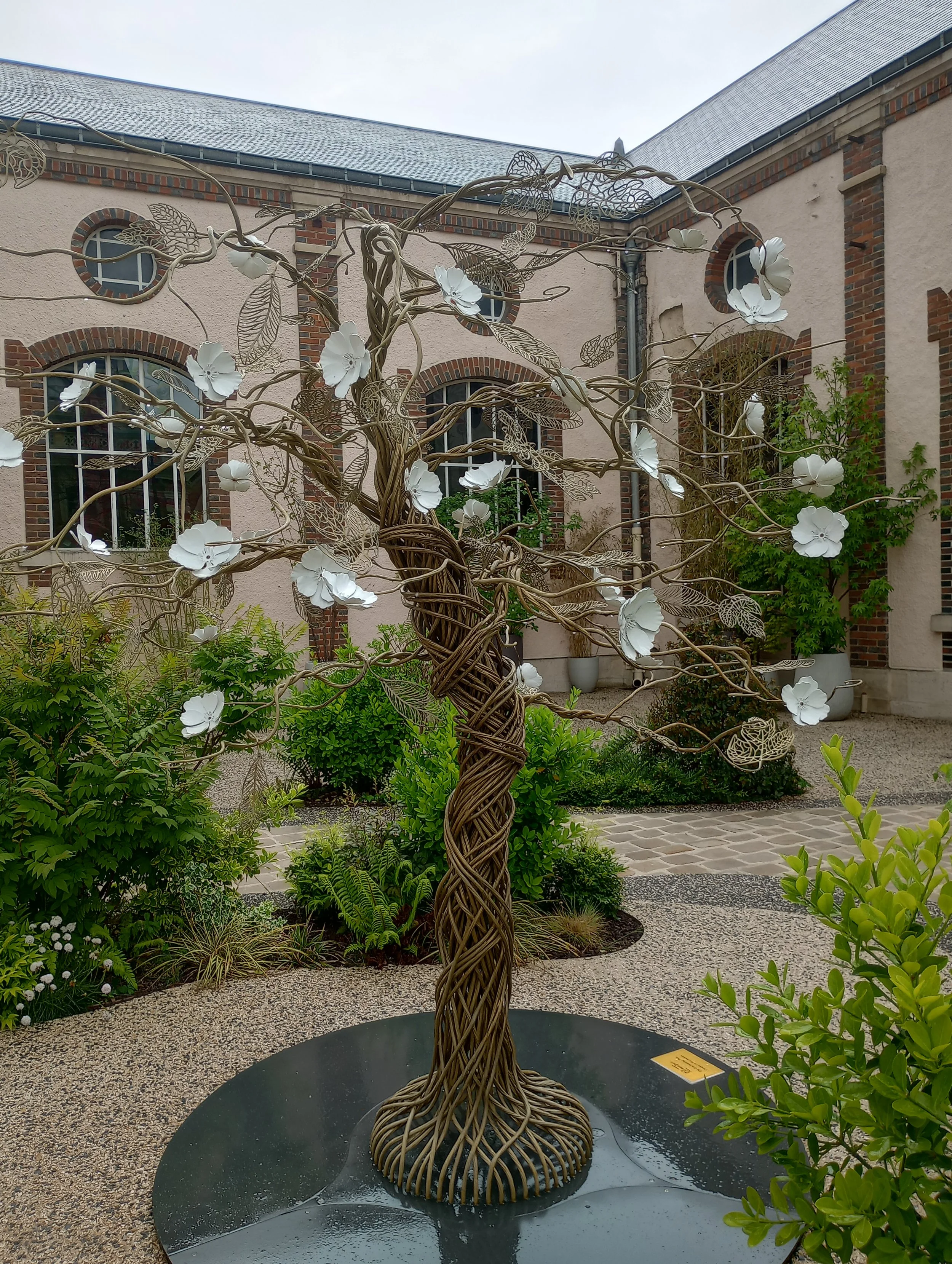
A beautiful sculpture in one of the gardens.
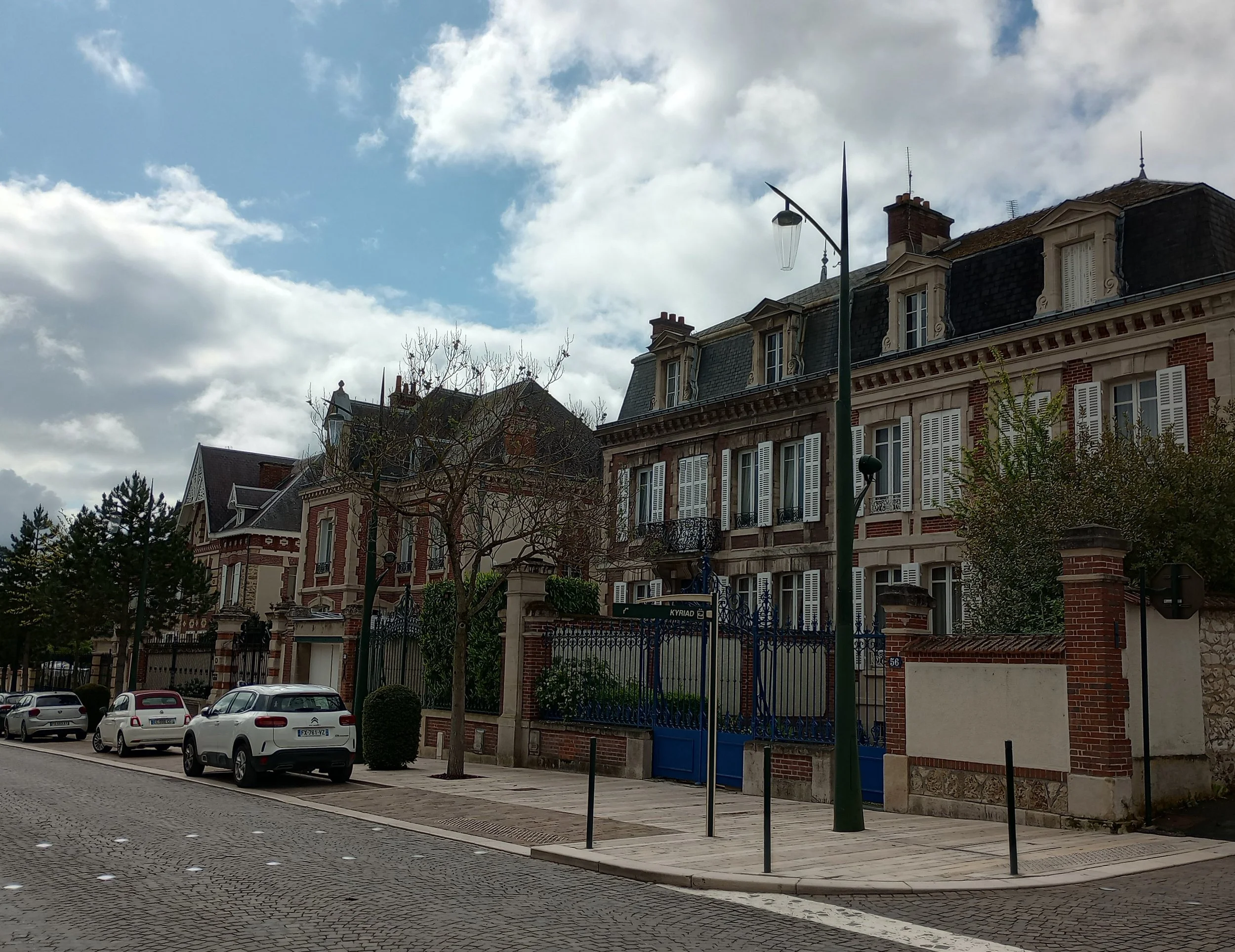
Residences along the Avenue de Champagne.
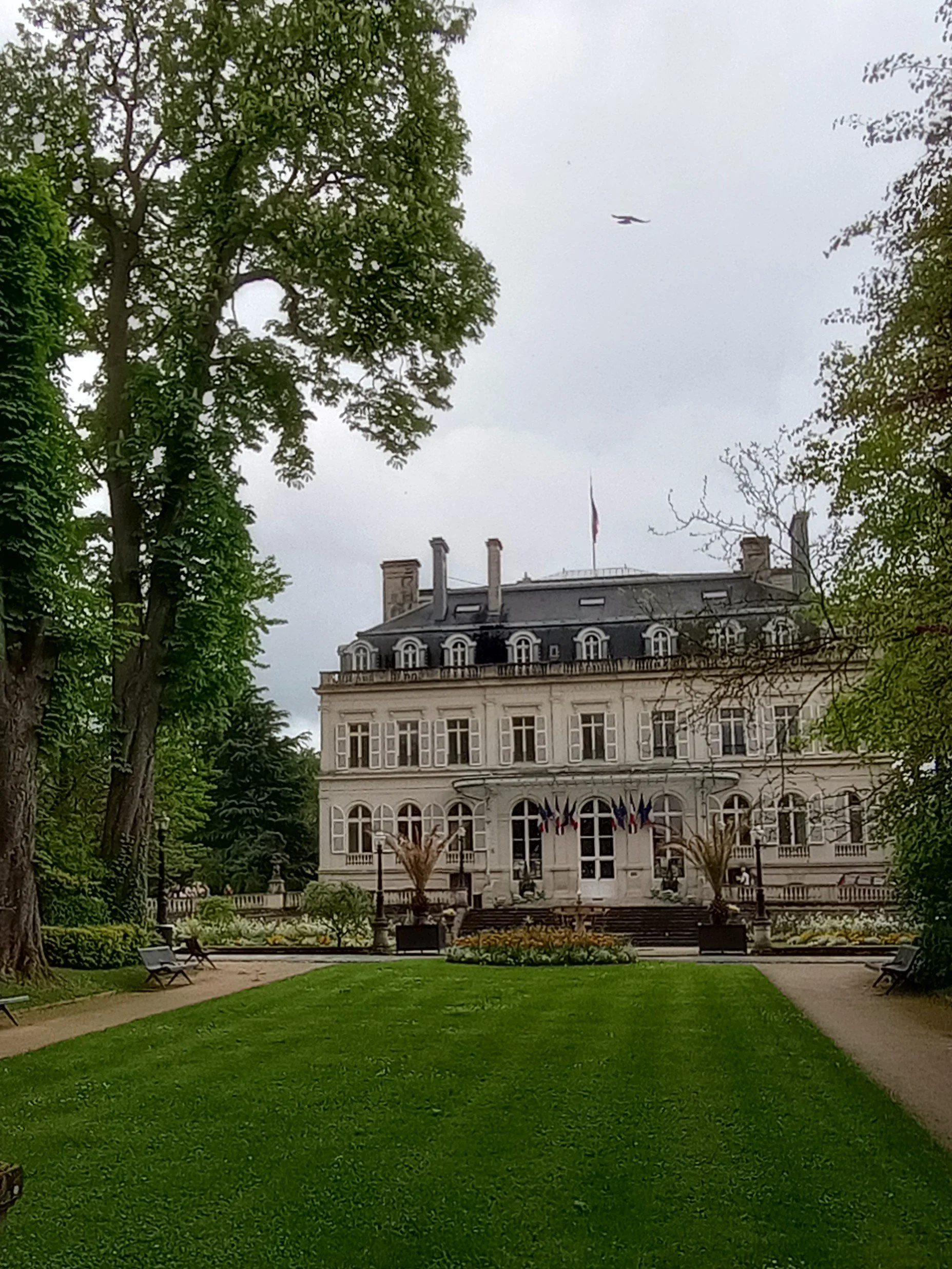
Finally here are some photos of the town. As in most french towns we visited, the town hall is one of the more beautiful places in the town and here is no exception.
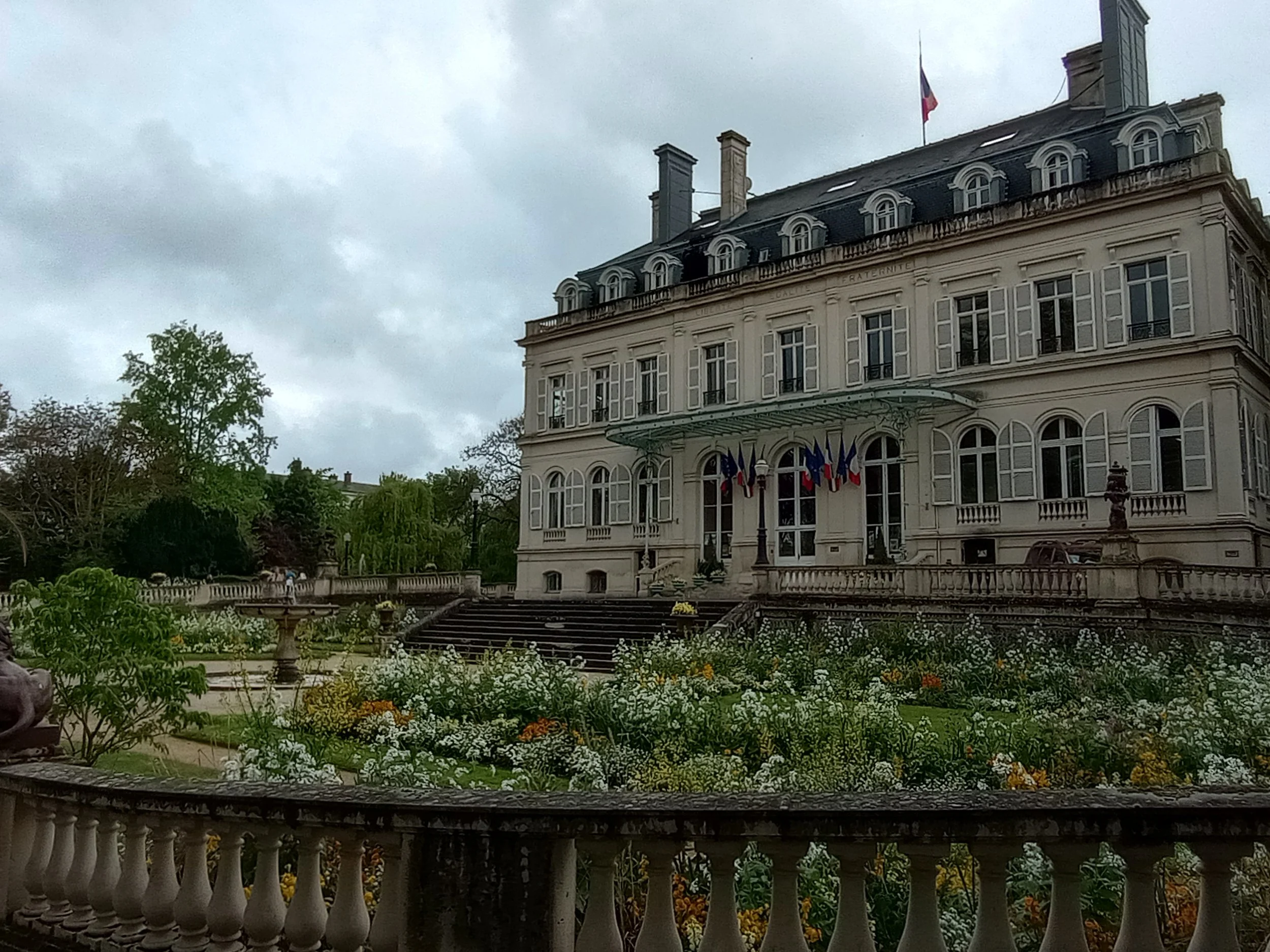
town hall
another view
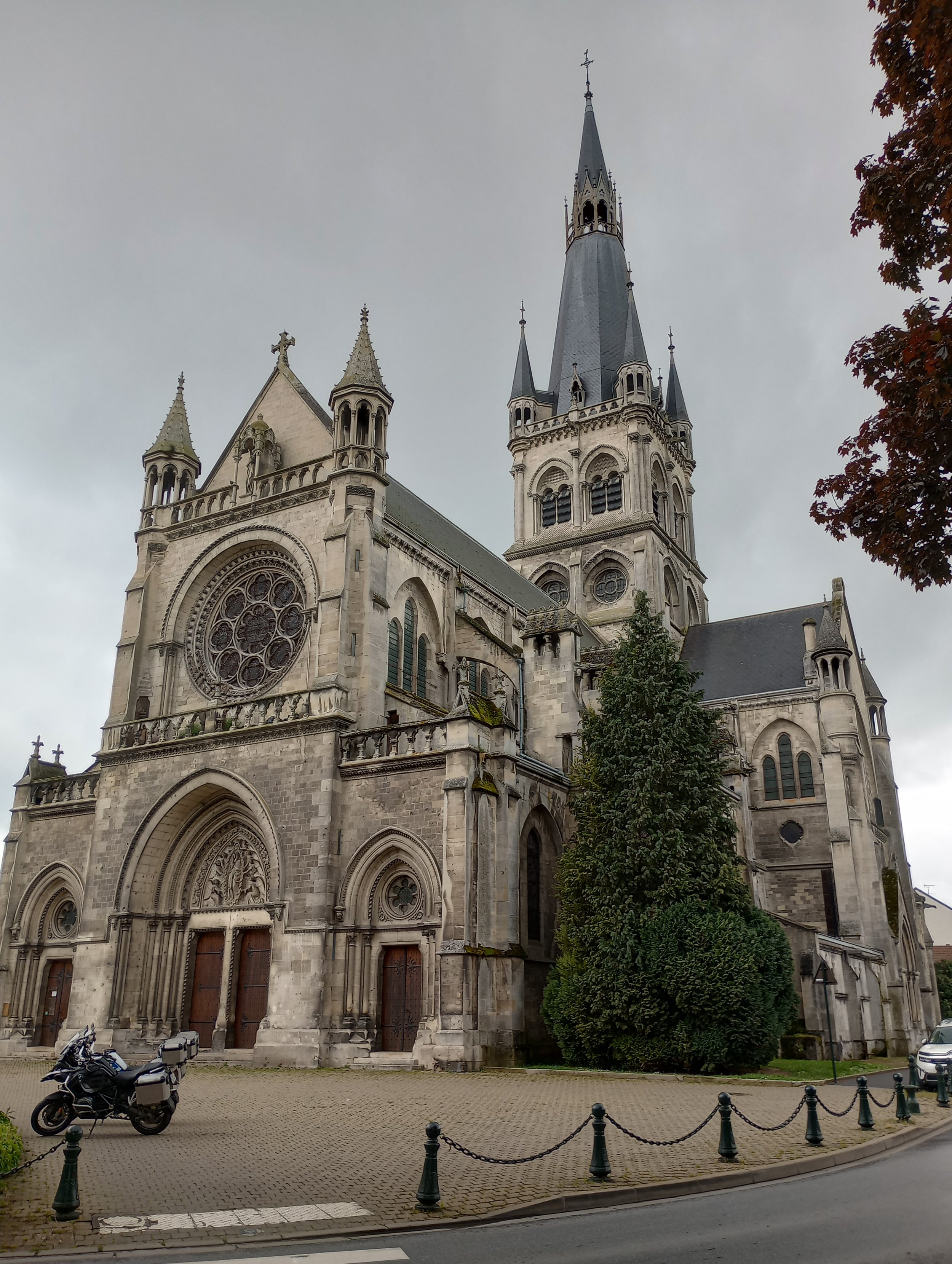
The main church: Notre Dame
That was our wet trip to the champagne region. Now we are on to the final adventure on the Normandy coast before taking the ferry home.